Your Corner Store Knew Your Coffee Order. Your App Knows Everything Else.
Your Corner Store Knew Your Coffee Order. Your App Knows Everything Else.
Somewhere between the neighborhood butcher and the self-checkout kiosk, something quietly slipped away. It wasn't just the small talk. It was a whole way of life.
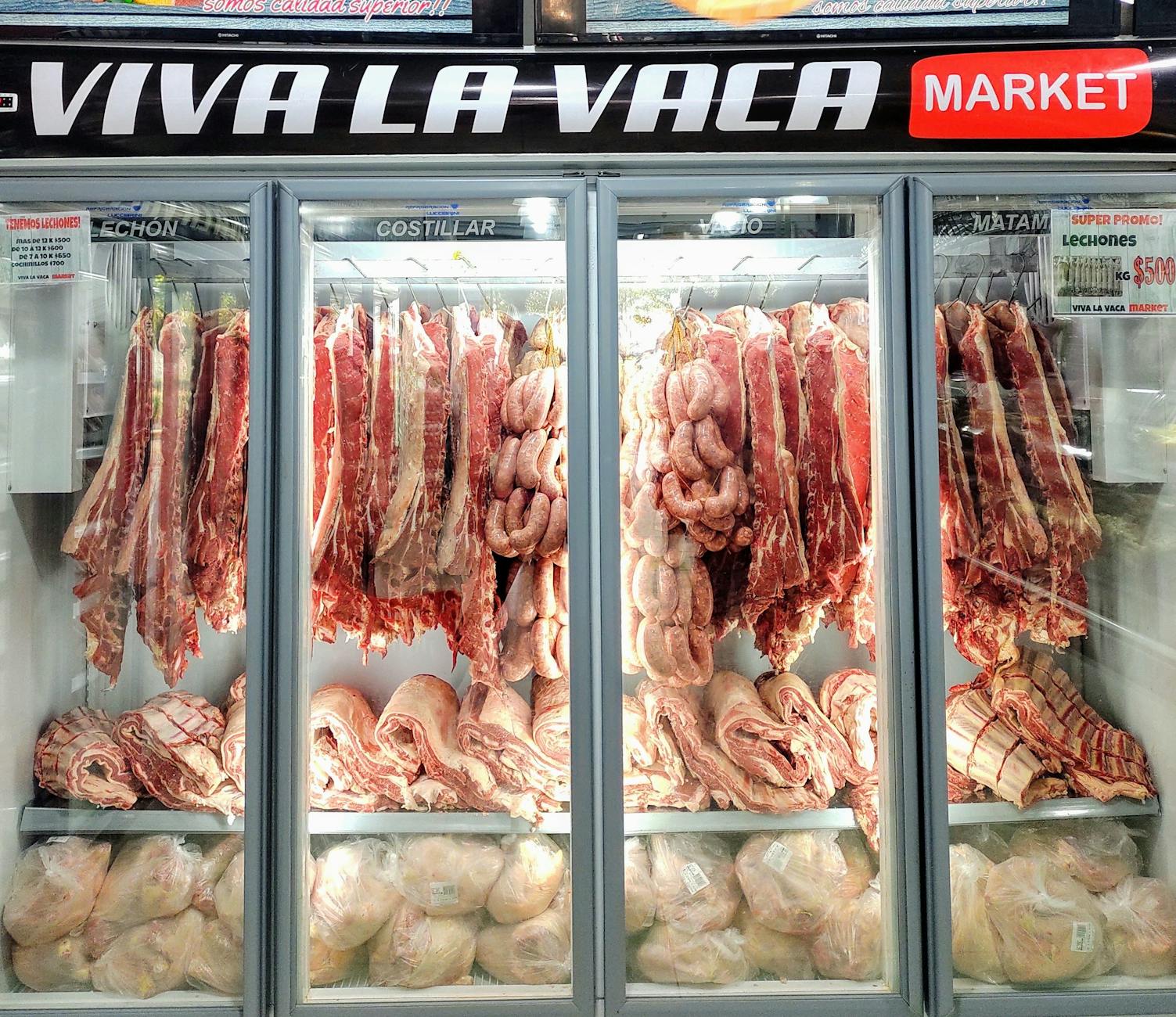
For most of American history, buying food was a deeply personal transaction. You walked into a store where someone knew your name, your preferences, and probably your grandmother. The grocer extended credit when times were tight. The butcher set aside a good cut because he knew it was your birthday. These weren't just shopping trips — they were social rituals woven into the fabric of daily community life.
Today, you can order a week's worth of groceries from your couch, track the delivery driver on a live map, and never speak to a single human being. That is a staggering shift. And it happened faster than most people realize.
The Era When Shopping Was a Relationship
Before supermarkets dominated the American landscape, most families relied on a collection of specialized neighborhood shops. The butcher, the baker, the greengrocer — each one a small business where the owner knew the regulars by name. Shopping was fragmented by necessity, but it created something valuable: a sense of belonging to a local economy.
The rise of the supermarket in the mid-20th century began to change that. Piggly Wiggly, founded in Memphis in 1916, is widely credited with pioneering the self-service grocery model — customers picking items off shelves themselves rather than handing a list to a clerk. It was revolutionary at the time. By the 1950s and 60s, the supermarket had become an American institution, promising variety and efficiency under one roof.
But even then, shopping retained a human texture. Cashiers recognized familiar faces. Store managers greeted loyal customers. The transaction might have grown more transactional, but it hadn't gone cold.
The Loyalty Card Arrives — and Changes Everything
The real turning point came quietly, tucked inside a plastic card on a keychain.
Retailer loyalty programs exploded in the 1990s. Supermarkets across the country began offering discount cards that gave shoppers savings in exchange for something they didn't fully understand they were giving: their purchase data. Every item scanned, every buying pattern, every brand preference — logged, stored, and analyzed.
At first, it felt like a fair trade. You saved a dollar on cereal; the store learned you bought cereal. Simple enough. But the data collection grew far more sophisticated over time. By the 2010s, grocery chains were using purchase history to predict behavior, target promotions, and even infer personal details — income levels, health conditions, family size — from buying patterns alone.
A now-famous story from around 2012 involved Target's data team identifying pregnant customers based on purchasing shifts in items like unscented lotion and vitamin supplements — before those customers had announced their pregnancies publicly. Grocery retailers were building similar capabilities. The store no longer knew your name. It knew something more intimate than that.
From Aisle Five to Same-Day Delivery
The smartphone era accelerated everything. Apps like Instacart, Amazon Fresh, and retailer-specific platforms didn't just add convenience — they added another layer of data collection that makes loyalty cards look quaint. Now retailers know not just what you buy, but when you shop, how long you browse, what you almost purchased, and how price-sensitive you are on any given day.
Self-checkout, now standard in most major grocery chains, reduced the last remaining human touchpoint for millions of shoppers. Automated checkout lanes had been trialed as early as the 1980s, but it was the 2010s that saw them go mainstream. Today, many shoppers complete an entire grocery run without exchanging a single word with another person.
And then came the pandemic. Curbside pickup and delivery services that had been growing steadily became overnight necessities in 2020. Americans who had never considered ordering groceries online were suddenly doing it every week. Many never went back. According to industry research, online grocery sales in the US grew by more than 50 percent during the pandemic and have remained elevated ever since.
What We Gained, and What We Quietly Traded Away
The gains are real and worth acknowledging. Convenience is not a trivial thing. For working parents, people with disabilities, or anyone living in an area with limited transportation, grocery delivery is genuinely life-improving. Price comparison is easier. Variety is staggering. Food waste can be reduced with better planning tools.
But something has also been lost, and it's harder to quantify. The corner store where the owner knew your family isn't just a nostalgic image — it was a form of community infrastructure. Small independent grocers built neighborhoods. They hired locally, sourced regionally, and kept money circulating within communities. The rise of national chains, and now delivery platforms, has hollowed out much of that.
There's also the privacy dimension, which most shoppers don't think about at the checkout lane. The data your grocery app collects about you is detailed enough to be sold to third parties, used for targeted advertising, or shared with health insurers in ways that aren't always transparent. You're not just buying groceries. You're participating in a data economy.
The Store Always Knew You — Just Differently
In a way, the grocery store has always known its customers. The difference is who holds that knowledge, and what they do with it. The old butcher knew your name and used it to serve you better. The modern algorithm knows your habits and uses them to serve its own interests — which sometimes overlap with yours, and sometimes don't.
That's not a reason to pine endlessly for the past. But it is a reason to pay attention to what we're exchanging for our convenience. The checkout line got shorter. The conversation got longer — it just moved to a server farm somewhere you'll never see.