The Station Wagon Pilgrimage
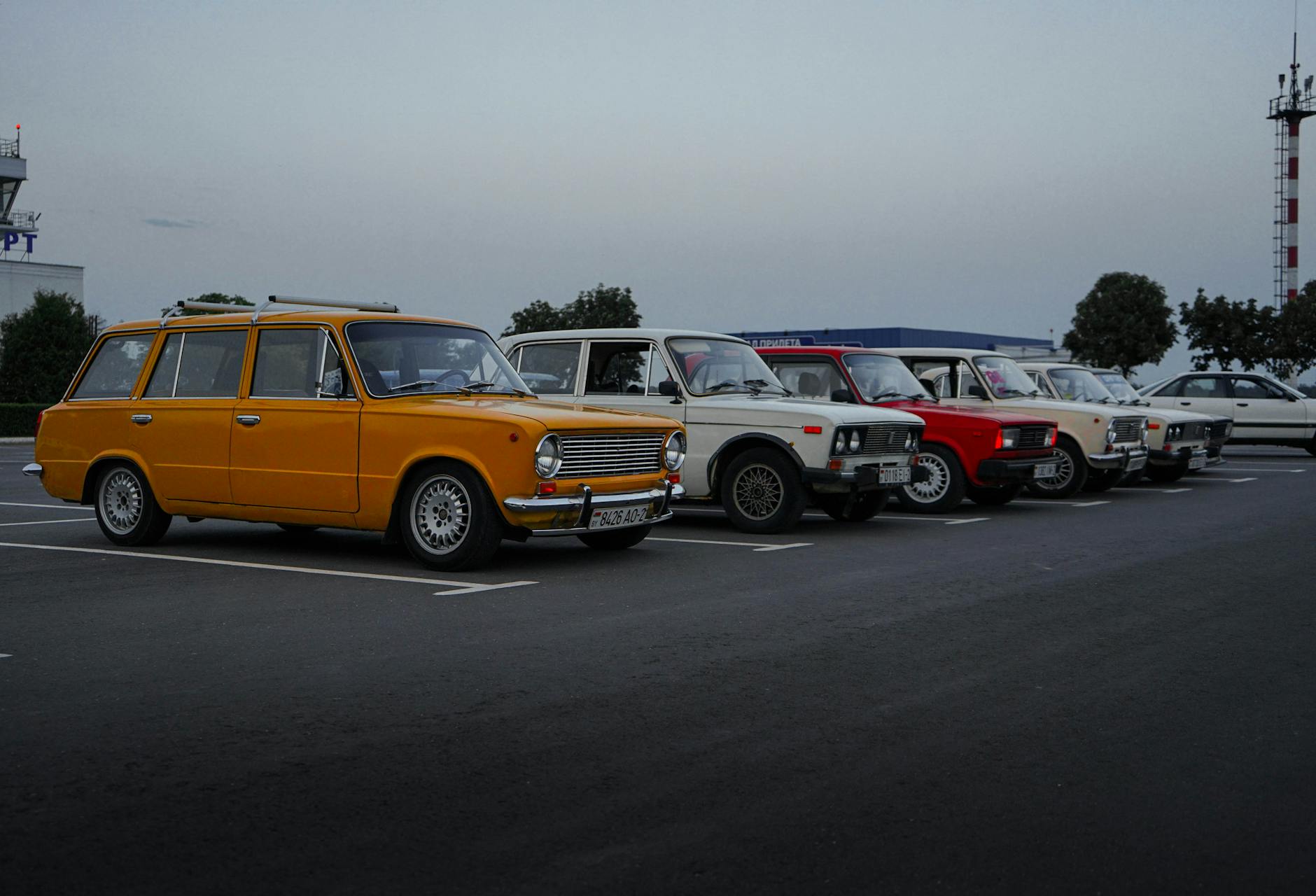
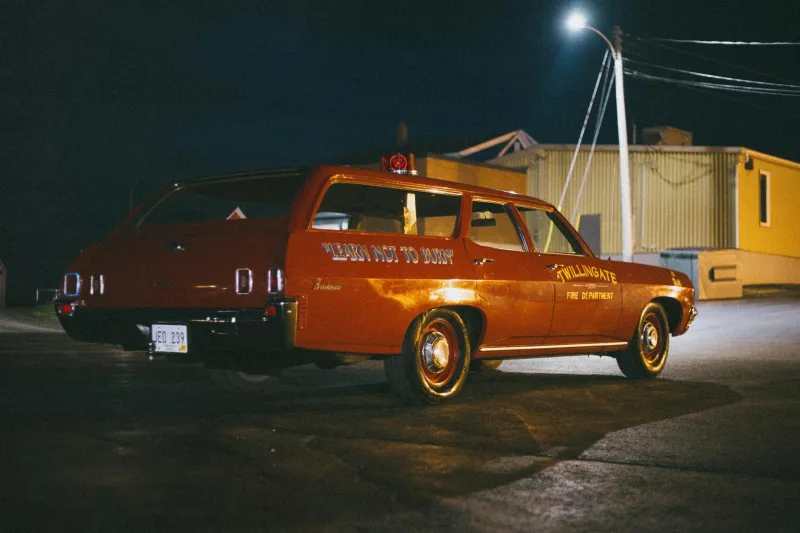
Every summer, millions of American families performed the same ritual: Dad would load the wood-paneled station wagon with enough luggage for a small army, Mom would pack a cooler that could feed a football team, and the kids would claim their territory in the wayback, armed with comic books and the promise of roadside attractions.
This wasn't just transportation—it was the vacation itself. The 1960s and 70s family road trip treated the journey as sacred as the destination. Families would spend weeks planning routes through scenic byways, marking potential stops on fold-out maps that covered the entire dashboard when opened. The goal wasn't efficiency; it was discovery.
Between 1960 and 1980, roughly 85% of American family vacations involved automobile travel, according to the American Automobile Association. Families drove an average of 1,200 miles for their primary vacation, often taking a full week to reach destinations that modern families fly to in four hours.
The Art of Getting Lost
Navigating meant something completely different in the pre-GPS era. Families relied on paper maps, handwritten directions, and the kindness of gas station attendants who doubled as local tourism experts. Getting lost wasn't a disaster—it was how you found the world's largest ball of twine or that perfect swimming hole that wasn't in any guidebook.
"We'd leave Chicago heading for the Grand Canyon with maybe three confirmed hotel reservations for two weeks of travel," remembers Linda Patterson, who took annual family road trips throughout the 1970s. "The rest we'd figure out along the way. Sometimes we'd see a sign for a state park and just decide to camp there instead."
This spontaneity was built into the infrastructure. Motor lodges and family-owned restaurants dotted every major highway, ready to accommodate travelers who showed up unannounced. Vacancy signs weren't just advertising—they were promises that adventure could happen anywhere.
When Cars Were Mobile Living Rooms
The vehicles themselves told a different story about American priorities. Station wagons ruled the road, designed for comfort over speed, space over efficiency. These rolling living rooms featured bench seats that could sleep a small child, rear-facing seats in the cargo area where kids could watch the world disappear behind them, and enough storage space for everything a family might need on a two-week odyssey.
Air conditioning was a luxury most families couldn't afford, so windows stayed down and highway wind provided the soundtrack. This meant stopping frequently—for ice cream, for bathroom breaks, for any roadside attraction that caught someone's eye. The inefficiency was the point.
Contrast this with today's family vehicles: aerodynamic SUVs designed for fuel efficiency, equipped with entertainment systems that keep kids glued to screens instead of watching the landscape roll by. Modern family road trips, when they happen at all, prioritize speed and comfort over serendipity.
The Economics of Slow Travel
The financial math of family travel has flipped completely. In 1975, a family of four could drive from New York to Disney World, stay in motor lodges, eat at roadside diners, and visit attractions along the way for roughly $400—about $2,000 in today's money. The same trip today, flying and staying at Disney resort hotels, easily costs $6,000 to $8,000.
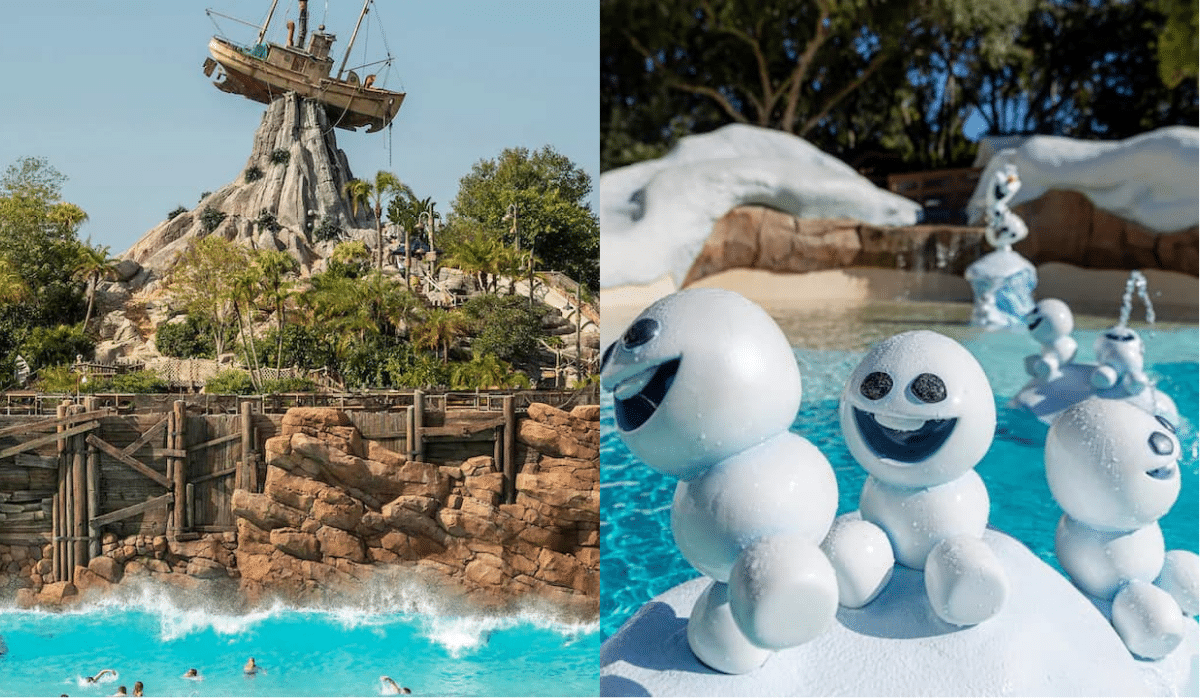 Photo: Disney World, via eatsleepdisney.com
But the old road trip model offered something modern travel has largely abandoned: graduated expense. Families could adjust their spending day by day, choosing between camping and motels, diners and fancy restaurants, free roadside attractions and paid theme parks. Today's destination-focused vacations front-load costs with non-refundable flights and hotel bookings, creating financial pressure that makes spontaneity impossible.
The roadside economy that supported slow travel has largely collapsed. Independent motor lodges have been replaced by chain hotels clustered around highway interchanges. Family restaurants gave way to fast-food franchises. Quirky roadside attractions—the kind that made getting lost worthwhile—closed as interstate highways bypassed small towns.
The Rise of Destination Culture
Sometime in the 1980s, American travel culture shifted from journey-focused to destination-obsessed. Families began flying to resort destinations where everything was contained within a few square miles. The Disney model—comprehensive, convenient, and completely controlled—became the template for family vacations.
This change reflected broader cultural shifts. Two-income families had less time for extended travel but more money for expensive destinations. The rise of frequent flyer programs made air travel more accessible to middle-class families. And frankly, the interstate highway system had eliminated much of the scenic beauty and local character that made driving interesting.
Modern family travel prioritizes efficiency and predictability over discovery and adventure. Vacation planning involves researching restaurants months in advance, booking activities through apps, and following itineraries that maximize Instagram opportunities while minimizing uncertainty.
What We Lost in the Translation
The death of the American road trip represents more than changing travel preferences—it reflects a fundamental shift in how families spend time together. Those long hours in the car, punctuated by random stops and shared discoveries, created a different kind of family bonding than modern resort vacations.
"Some of my strongest childhood memories are from the random stuff we found driving cross-country," says Mike Chen, whose family took annual driving trips from California to visit relatives in Ohio during the 1970s. "The giant dinosaur statues in Utah, the meteor crater in Arizona, that weird restaurant shaped like a teepee. You can't plan that stuff—it just happens when you're open to it."
Research suggests that shared novel experiences create stronger family bonds than familiar, comfortable environments. The unpredictability of road travel—dealing with car trouble, finding unexpected attractions, navigating without GPS—forced families to work together and adapt to changing circumstances.
The Digital Divide
Today's family travel happens in a fundamentally different technological context. Kids in backseats watch movies on tablets instead of playing license plate games. Parents navigate with smartphones instead of arguing over map-reading duties. Roadside attractions compete with social media for attention, usually unsuccessfully.
The efficiency gains are undeniable. Modern families can travel farther, faster, and more comfortably than ever before. But efficiency has costs. When everything is planned, nothing is discovered. When every mile is optimized, the magic of unexpected detours disappears.
The Road Back
Interestingly, some families are rediscovering the appeal of slow travel. The COVID-19 pandemic sparked renewed interest in road trips as families sought safer alternatives to air travel. National park visitation hit record highs in 2021, driven partly by families driving to destinations they might previously have flown to.
But these modern road trips often miss the essential element of the classic American family vacation: the willingness to let the journey unfold organically. Even when families drive, they typically follow GPS routes to pre-booked accommodations, treating the car as merely a different form of transportation rather than a mobile base camp for adventure.
The infrastructure for spontaneous travel has largely vanished. Chain hotels require advance reservations. Roadside attractions have been replaced by outlet malls. The family-owned restaurants and motor lodges that made unplanned stops possible have mostly disappeared.
America's shift from journey-focused to destination-obsessed travel reflects broader cultural changes: the prioritization of efficiency over experience, predictability over discovery, and optimization over adventure. We've gained comfort and convenience while losing something harder to quantify but perhaps more valuable—the simple pleasure of not knowing what's around the next bend.