Cigarettes Were Everywhere in America. Then They Vanished Faster Than Anyone Thought Possible.
If you traveled back to 1980 America, the first thing to hit you wouldn't be the fashion or the music—it would be the smoke. Cigarette smoke hung in the air everywhere: restaurants, offices, airplanes, hospitals, even pediatricians' waiting rooms. People lit up in grocery stores, movie theaters, and college classrooms without a second thought.
Smoking wasn't just allowed—it was woven into the fabric of American life so completely that non-smoking felt like the exception, not the rule. Today's smoke-free world would seem as foreign to a 1980s American as a world without cars.
Yet somehow, in just two generations, we completely flipped the script. The transformation happened so fast that many people don't realize just how universal smoking once was—or how quickly "normal" can become unthinkable.
When Smoke Was Just Part of the Air
In the 1960s and 70s, roughly 45% of American adults smoked. But the reach of cigarette smoke extended far beyond smokers themselves. Restaurants had "smoking sections" that were often just the same room with an imaginary line down the middle. Airplanes provided ashtrays in every armrest and cigarette service along with peanuts.
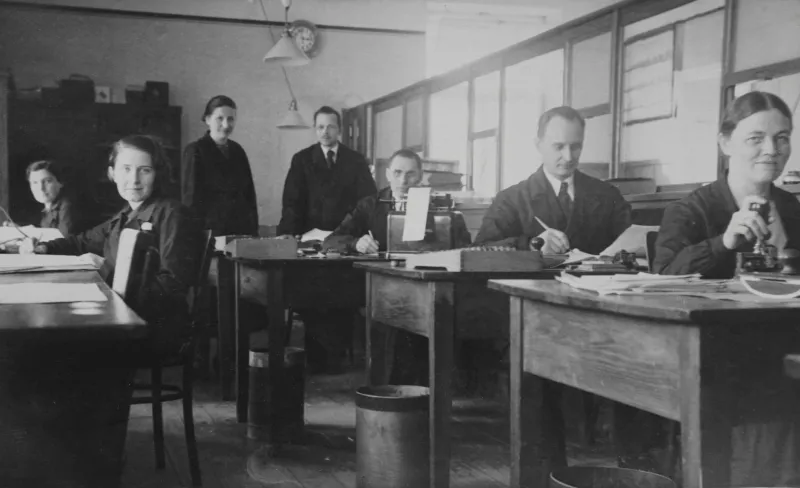
Offices were perpetual fog machines. Executives chain-smoked through board meetings. Secretaries kept ashtrays on their desks next to their typewriters. The Mad Men era wasn't exaggerated—it was documentary.
Even more shocking by today's standards: hospitals allowed smoking. Doctors smoked in their offices while examining patients. Nurses took cigarette breaks in patient rooms. Some hospitals sold cigarettes in their gift shops and had designated smoking areas in waiting rooms.
The cultural messaging reinforced smoking as sophisticated, rebellious, or relaxing. Movie stars smoked on screen. Athletes endorsed cigarette brands. Doctors appeared in tobacco advertisements, literally prescribing specific brands for "throat comfort."
The Cracks Begin to Show
The first major blow came in 1964 with the Surgeon General's report linking smoking to cancer. But cultural change moved slowly. Warning labels appeared on cigarette packages, but they were tiny and easy to ignore. Cigarette advertising continued on television until 1971.
The real shift started in the late 1970s with the concept of "secondhand smoke." Suddenly, smoking wasn't just a personal choice—it was something that affected everyone nearby. Non-smokers began demanding their rights to breathe clean air.
California led the charge with workplace smoking restrictions in the early 1980s. Other states followed, but the changes felt incremental. Nobody predicted how quickly the dominoes would fall.
The Avalanche Begins
The 1990s saw the floodgates open. Major cities banned smoking in restaurants and bars. Airlines went completely smoke-free. Office buildings installed elaborate ventilation systems and then gave up entirely, banning indoor smoking altogether.
What's remarkable is how quickly social norms shifted alongside the legal changes. Smoking went from sophisticated to inconsiderate seemingly overnight. People who once lit up anywhere now found themselves huddled outside in designated areas, often feeling apologetic about their habit.
The tobacco industry fought back with massive advertising campaigns and legal challenges, but they were swimming against an unstoppable tide. The Master Settlement Agreement of 1998 essentially ended tobacco advertising and provided billions for anti-smoking campaigns.
The Speed of Social Change
By 2000, smoking rates had dropped to 23% of adults. By 2020, it was down to 12.5%. But the numbers don't capture how completely the social environment changed.
Today's young adults have never experienced a smoky restaurant. They've never sat in the smoking section of an airplane or watched someone light up in a movie theater. What was once the most normal thing in the world has become almost unimaginable.
The transformation happened so rapidly that many businesses struggled to keep up. Bars that had built their entire atmosphere around the combination of drinks and cigarettes had to completely reinvent themselves. Some thrived; others closed.
Restaurants discovered that removing smoke actually improved the dining experience—food tasted better, clothes didn't smell, and families with children became regular customers. What initially felt like a business-killing restriction turned out to be a competitive advantage.
The Health Revolution We Lived Through
The public health impact has been staggering. Lung cancer rates began dropping in the 1990s and have continued falling ever since. Heart disease deaths decreased. Asthma rates in children improved dramatically.
But perhaps the most remarkable change is in social attitudes. Smoking went from being a mark of sophistication to a sign of poor judgment. The same behavior that once made someone look cool in movies now makes them look like they're struggling with addiction.
We've essentially lived through one of the most successful public health campaigns in human history, and many people barely noticed it happening because the changes felt gradual day-to-day, even as they were revolutionary decade-to-decade.
What We Can Learn About Change
The smoking transformation teaches us something profound about how quickly "permanent" cultural norms can shift. In 1980, if you told someone that smoking would be banned in bars and restaurants within twenty years, they would have laughed. The idea seemed as impossible as banning cars from highways.
Yet it happened through a combination of scientific evidence, legal pressure, economic incentives, and social momentum. Once the tide turned, it moved faster than anyone expected.
The speed of change also reveals how much our environment shapes our behavior. When smoking was everywhere, it felt natural to smoke. When it became inconvenient and socially awkward, millions of people found it easier to quit.
The New Normal
Today's smoke-free America would be unrecognizable to someone from 1980. We've created a world where lighting a cigarette indoors feels as transgressive as lighting a campfire in a library. The smell of cigarette smoke, once as common as car exhaust, now immediately draws attention and disapproval.
Generation Z has grown up in this smoke-free world, and many have never seen an adult smoke indoors. To them, the Mad Men era looks as foreign as the Wild West.
The transformation from smoke-filled to smoke-free America happened in less than forty years—a blink of an eye in historical terms. It's a reminder that what feels permanent and unchangeable today might be tomorrow's unthinkable relic.
Sometimes the world really can shift faster than we think possible.