The Great Family Vacation Inflation: How Summer Trips Became Six-Figure Investments
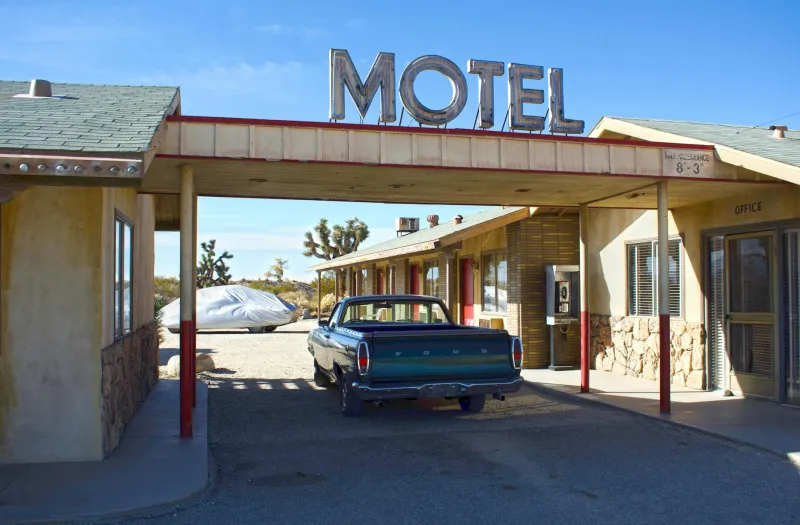
In 1972, the Johnson family from suburban Chicago decided on a Tuesday to drive to Florida for vacation. By Thursday, they were building sandcastles in Daytona Beach. Total planning time: one phone call to book a $12-a-night motel room. Total cost for a family of four for a week: $247, including gas, food, and a few souvenirs.
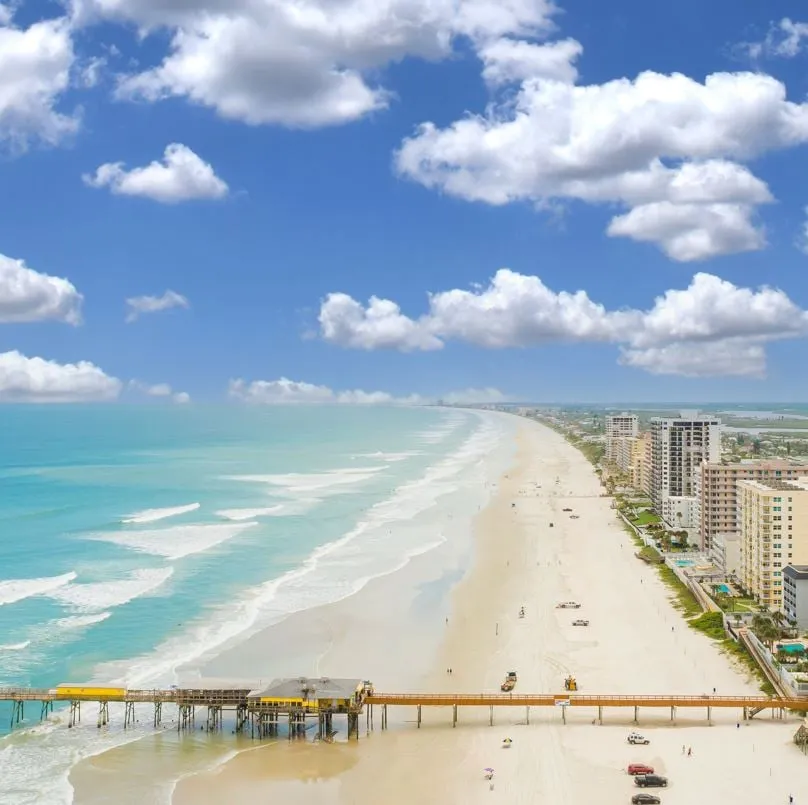 Photo: Daytona Beach, via www.traveloffpath.com
Today, that same trip would cost approximately $4,200—and that's if you book six months in advance, use multiple comparison websites, and pack your own snacks.
When Vacation Planning Meant Looking at a Map
The family vacation of the 1960s and 70s operated on a completely different economic model. A middle-class factory worker earning $150 a week could afford to take his family anywhere in the country for roughly one week's salary. Hotels charged the same rate whether you booked in January or July. Airlines had regulated pricing that didn't change based on demand, day of the week, or how many times you'd visited their website.
Most families didn't even fly. They loaded up the station wagon and drove, stopping at motor lodges that charged flat rates and didn't require credit cards for reservations. A Howard Johnson's room cost the same whether you called ahead or just pulled up to the front desk.
 Photo: Howard Johnson's, via i.pinimg.com
"We'd just get in the car and drive until we found somewhere that looked nice," recalls Barbara Martinez, now 71, who took annual family trips throughout the 1970s. "The kids would see a pool from the highway, and that's where we'd stay. It never occurred to us that we might not find a room."
The Hidden Fee Revolution
Somewhere between then and now, the vacation industry discovered that customers would pay more if you broke down costs into smaller, seemingly reasonable charges. What used to be included in a hotel room—parking, WiFi, pool access, local calls—now appears as separate line items on your bill.
A "budget" hotel room advertised at $89 per night can easily cost $140 after resort fees, parking charges, WiFi fees, and local taxes that somehow didn't exist in 1975. Airlines mastered this strategy even more aggressively, turning everything from seat selection to carry-on bags into revenue opportunities.
The result: families now need to budget not just for the advertised price, but for a maze of additional costs that only reveal themselves during the booking process—or worse, at checkout.
The Airbnb Mirage
When Airbnb emerged in the 2010s, it promised to return vacation rentals to their roots: simple, affordable, authentic local experiences. For a brief window, it delivered. Families could rent entire houses for less than hotel rooms, with kitchens that eliminated restaurant costs.
But success bred complexity. Property management companies moved in, professional hosts bought up inventory, and the platform introduced its own fees, cleaning charges, and booking complications. What started as "stay in someone's spare room for cheap" became "pay hotel prices for someone's investment property, plus clean it yourself before leaving."
The Social Media Pressure Cooker
Perhaps more significantly, social media transformed family vacations from private experiences into public performances. The 1970s family at the beach took a few Polaroids for the photo album. Today's family needs to document every moment for Instagram, creating pressure to visit photogenic destinations and participate in shareable activities.
This shift toward "experience economy" vacations has inflated costs dramatically. Instead of spending a week at one beach, families now plan multi-destination trips with carefully curated experiences: snorkeling excursions, guided tours, cooking classes, adventure activities that didn't exist in the package-deal era.
The Planning Industrial Complex
Vacation planning itself has become a part-time job. Families spend months researching destinations, comparing prices across multiple platforms, reading reviews, creating detailed itineraries. The spontaneous road trip has been replaced by color-coded spreadsheets and shared Google docs.
Travel websites and apps promise to simplify this process, but often make it more complex. Dynamic pricing means costs change daily, sometimes hourly. Booking the "perfect" vacation requires monitoring prices, understanding optimal booking windows, and navigating loyalty programs that would challenge a business school graduate.
The Real Numbers
According to the Bureau of Labor Statistics, the average American family spent 4.2% of their total income on vacation and recreation in 1972. Today, that figure has risen to 7.8%—and that's just the average. For families trying to create Instagram-worthy experiences, vacation costs can easily consume 15-20% of annual income.
A week-long family vacation that cost $300 in 1975 (about one week's median income) would cost roughly $1,800 in inflation-adjusted dollars today. But the actual median cost for a family vacation now exceeds $4,500—more than double what inflation alone would predict.
The Stress Economy
Ironically, as vacations became more expensive and elaborate, they also became more stressful. Families feel pressure to maximize every dollar spent, leading to overpacked itineraries and constant activity. The simple pleasure of doing nothing—reading a book by the pool, taking unplanned walks—feels wasteful when you're paying premium prices.
Many parents report returning from family vacations more exhausted than when they left. The relaxation that vacations were supposed to provide has been replaced by the stress of executing a complex, expensive plan while managing children's expectations shaped by social media images of other families' "perfect" trips.
The Path Back to Simplicity
Some families are rebelling against vacation inflation by returning to simpler approaches. They're choosing single destinations over multi-city tours, driving instead of flying, and embracing the spontaneity that made vacations relaxing in the first place.
"We stopped trying to create the perfect vacation and started just taking regular trips," says Mike Chen, father of two from Denver. "We drive to a lake, rent a basic cabin, and let the kids be bored sometimes. It costs about a quarter of what our 'destination' vacations used to cost, and everyone actually enjoys it more."
The irony of modern family vacations is that in our quest to create more memorable, meaningful experiences, we've often eliminated the simple pleasures that made vacations memorable in the first place. Sometimes the best family trip is still the one that starts with loading up the car and seeing where the road takes you—just like the Johnsons did in 1972.