Your Medicine Cabinet Was Once a Liquor Store: How Home Remedies Went From Dangerous to Regulated
Your Medicine Cabinet Was Once a Liquor Store: How Home Remedies Went From Dangerous to Regulated
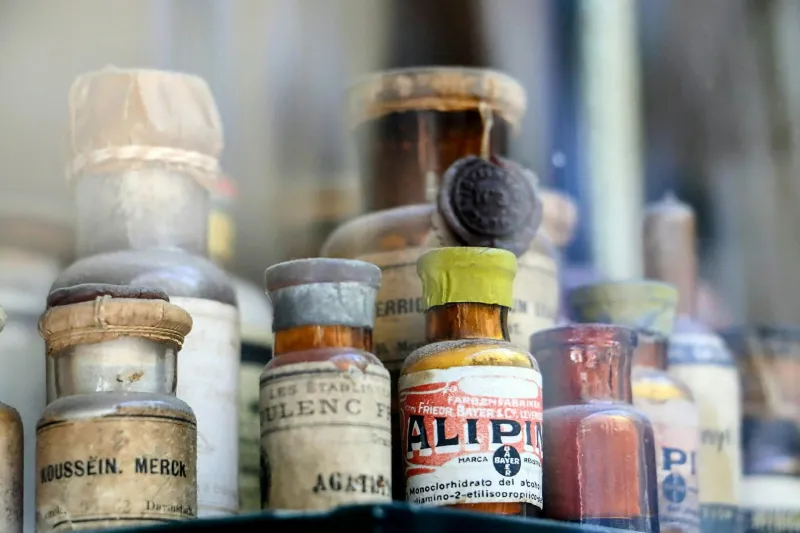
Open your medicine cabinet today and you'll find carefully labeled bottles with precise dosing instructions, expiration dates, and lists of active ingredients. Each product has been tested, regulated, and approved by the FDA. But rewind the clock just 100 years, and that same cabinet would look more like a frontier saloon mixed with a chemistry experiment gone wrong.
When Snake Oil Was Actually Medicine
In 1920, the average American family's approach to illness was a mix of folk wisdom, desperation, and whatever the traveling medicine man happened to be selling that week. The family medicine chest was stocked with remedies that would make today's doctors cringe: laudanum (liquid opium) for crying babies, mercury-based pills for "female troubles," and cocaine drops for toothaches.
Mrs. Winslow's Soothing Syrup, marketed specifically for teething infants, contained morphine. Vin Mariani, a popular tonic wine, combined Bordeaux wine with cocaine leaves. These weren't underground products – they were mainstream remedies sold in respectable pharmacies and advertised in family newspapers.
The medicine cabinet of 1920 typically contained:
- Whiskey or brandy (considered essential for fevers and "nerves")
- Castor oil (the cure-all that tasted as bad as it worked)
- Patent medicines with undisclosed ingredients
- Mercury compounds for various ailments
- Alcohol-based tonics promising to cure everything from depression to diabetes
The Wild West of Self-Medication
Without regulation, anyone could manufacture and sell medicine. Patent medicine companies made outrageous claims with zero evidence. Dr. Kilmer's Swamp Root promised to cure kidney disease, liver problems, and bladder issues. Lydia Pinkham's Vegetable Compound claimed to solve all "female complaints" – its secret ingredient was 20% alcohol.
Families diagnosed themselves based on symptoms described in almanacs or advice from neighbors. A headache might be treated with a mercury-based pill. A cough called for a shot of whiskey mixed with honey. Stomach troubles meant a dose of castor oil so harsh that children would hide when they heard the bottle being uncorked.
The tragedy wasn't just ineffective treatment – it was actively harmful care. Mercury poisoning from "medicine" was common. Alcohol dependency often began with "medicinal" tonics. Children died from overdoses of opium-based soothing syrups.
The Turning Point
Everything changed in 1906 when Upton Sinclair's "The Jungle" exposed the horrific conditions in food and drug manufacturing. The same year, the Pure Food and Drug Act became the first federal law requiring accurate labeling of ingredients. Suddenly, those miracle tonics had to admit they were mostly alcohol and water.
The 1938 Food, Drug, and Cosmetic Act went further, requiring manufacturers to prove their products were safe before selling them. The thalidomide tragedy of the 1960s – where a sleeping pill caused severe birth defects – led to even stricter requirements for efficacy testing.
Today's Medicine Cabinet Revolution
Walk into any modern pharmacy and the contrast is staggering. Today's over-the-counter medicines represent billions of dollars in research and testing. That bottle of ibuprofen went through years of clinical trials. The children's fever reducer has been tested specifically on kids, with dosing based on weight and age.
Modern families have access to:
- Precisely dosed medications with known mechanisms of action
- Clear instructions for safe use
- Warnings about interactions and side effects
- Products tested on the specific populations they're intended to treat
- 24/7 poison control hotlines and medical guidance
What We Gained and Lost
The shift from whiskey-and-prayer medicine to regulated pharmaceuticals saved countless lives. Children no longer die from "soothing syrups." Adults don't accidentally poison themselves with mercury. We know exactly what we're taking and why it works.
But something was lost in translation. The old system, dangerous as it was, gave families a sense of control over their health. Grandma's chicken soup and a shot of whiskey felt more personal than reading dosage instructions on a corporate-manufactured pill bottle.
The modern medicine cabinet is undeniably safer, more effective, and more scientifically sound. Yet many Americans still seek that personal touch – driving the $40 billion supplement industry that operates in a regulatory gray area reminiscent of the old patent medicine days.
The Irony of Progress
Today's medicine cabinet contains products that would seem miraculous to our great-grandparents. We can stop a headache in 20 minutes, reduce a fever safely, and treat allergies without drowsiness. We've traded dangerous folk remedies for scientifically proven treatments.
Yet walk through any health food store, and you'll find echoes of the past: supplements promising miracle cures, "natural" remedies with minimal regulation, and products marketed with the same hopeful desperation that once sold snake oil.
The medicine cabinet has come full circle in some ways – we still want simple solutions to complex problems. The difference is that now, at least, we have regulations ensuring that the simple solutions won't accidentally kill us. That's progress worth celebrating, even if it came in a less romantic package than grandma's whiskey and honey.