Shifted Times Home

Category

Health

54 articles

Grandma's Recipe Card Didn't Have a Star Rating. It Didn't Need One.

Grandma's Recipe Card Didn't Have a Star Rating. It Didn't Need One.

For generations, cooking knowledge lived in handwritten cards, phone calls to relatives, and the memory of watching someone else's hands. Now it lives in an algorithm. We have access to every recipe ever written — and somehow still don't know what to make for dinner.
Heartbreak Used to Heal on Its Own. Now It Has a Diagnosis and a Prescription.

Heartbreak Used to Heal on Its Own. Now It Has a Diagnosis and a Prescription.

A century ago, grief was processed in community, heartbreak was survived with time, and anxiety was managed with prayer, work, or a good cry. Today, those same experiences often come with clinical labels, therapy referrals, and prescription pads. We've gained a lot — but it's worth asking what we've traded away.

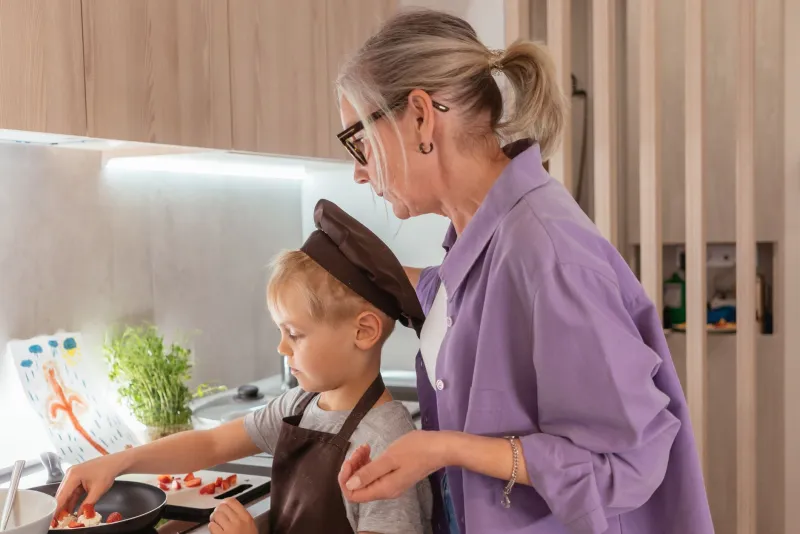
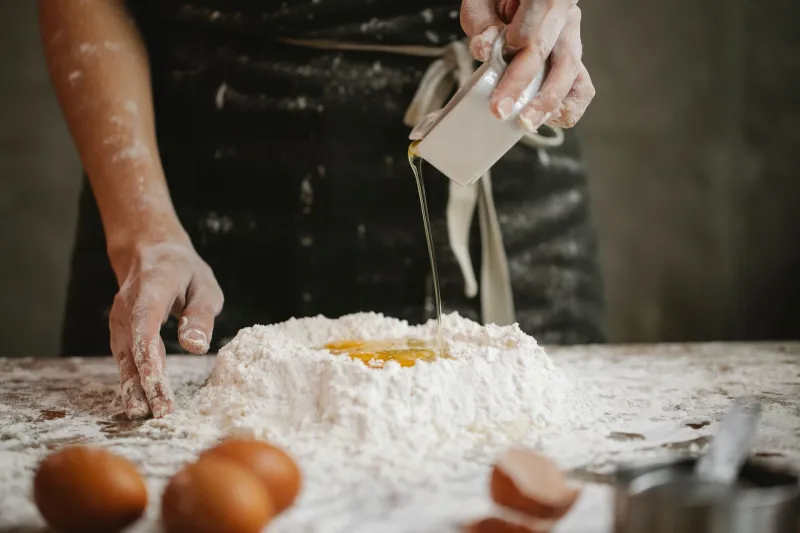
Your Great-Grandmother Cooked by Feel. Now We Cook by Algorithm.

Your Great-Grandmother Cooked by Feel. Now We Cook by Algorithm.

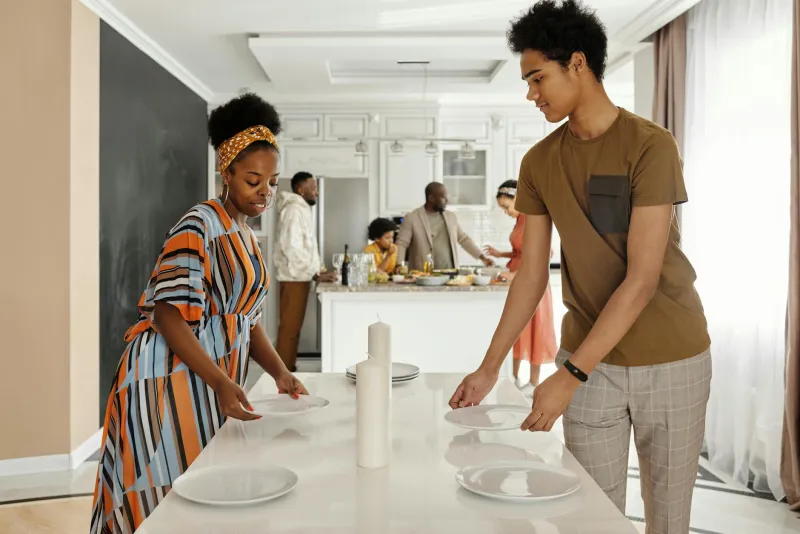
Home cooking used to be something handed down through demonstration and instinct. Now it involves nutrition apps, macro calculators, and enough specialized equipment to stock a small commercial kitchen. Somewhere between the cast iron skillet and the air fryer, we stopped trusting ourselves.

We Used to Bake in the Sun on Purpose. Then Dermatology Changed Everything.

We Used to Bake in the Sun on Purpose. Then Dermatology Changed Everything.

Not long ago, a deep tan was the ultimate sign of health, leisure, and attractiveness. Tanning oil outsold sunscreen. Doctors barely mentioned UV exposure. Today, Americans layer SPF like armor and check UV indexes before stepping outside. The story of how that reversal happened is wilder than you might think.

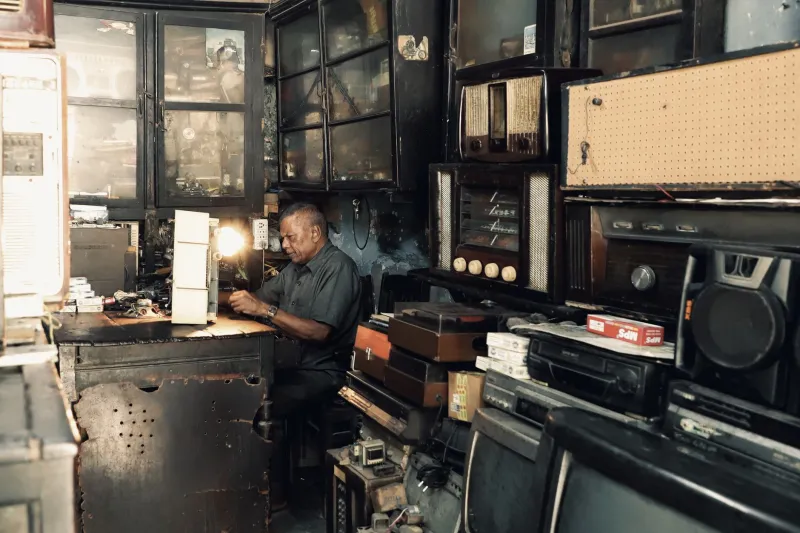
America Used to Fix Things Until They Fell Apart. Now We Just Buy New Ones.

America Used to Fix Things Until They Fell Apart. Now We Just Buy New Ones.

There was a time when a broken toaster meant a trip to the appliance repair shop, not a trip to Target. America built an entire economy around fixing things — cobblers, TV technicians, seamstresses, furniture restorers. Then, almost without noticing, we stopped. Here's how the most resourceful nation on earth became the most wasteful.

The Doctor Who Knew Your Name Is Back — But He Charges $200 a Month for the Privilege

The Doctor Who Knew Your Name Is Back — But He Charges $200 a Month for the Privilege

For most of the 20th century, a family doctor who knew your kids, your parents, and your medical history was just called a doctor. Today, that same level of care has a brand name — concierge medicine — and a membership fee that puts it firmly out of reach for most Americans. Here's how personalized medicine went from standard practice to luxury product.

Fever Was Once the Enemy. Then Medicine Figured Out It Was Actually on Our Side.

Fever Was Once the Enemy. Then Medicine Figured Out It Was Actually on Our Side.

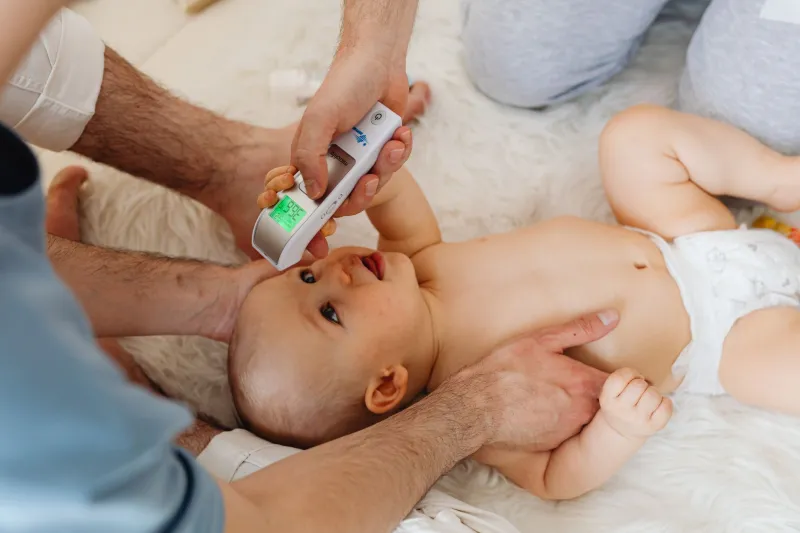
For generations, Americans treated a rising temperature like a fire to be extinguished — with whiskey, ice baths, and sometimes methods that were more dangerous than the illness itself. The science of fever has done a complete 180, and what parents do at 2am looks nothing like what their great-grandparents did.

Your Word Used to Be Enough: How America's Handshake Economy Got Buried Under Paperwork

Your Word Used to Be Enough: How America's Handshake Economy Got Buried Under Paperwork

Not long ago, a man's word — backed by reputation and a firm handshake — was enough to close a land deal, hire a worker, or borrow a significant sum of money. That world didn't just fade quietly. It was systematically dismantled by litigation culture, corporate consolidation, and the slow collapse of the tight-knit communities that made trust a viable currency.

One Number Used to Be Enough. Now Your Body Has a Dashboard.

One Number Used to Be Enough. Now Your Body Has a Dashboard.

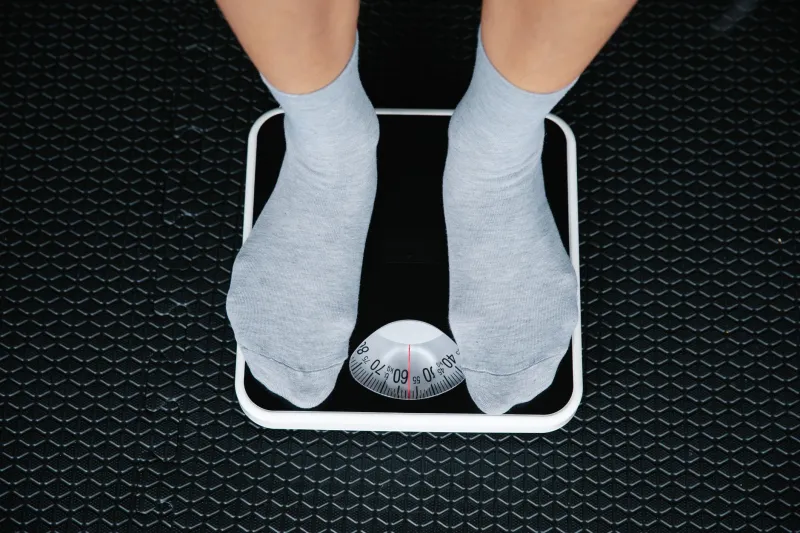
For most of the twentieth century, your weight was a single number on a mechanical scale, and that was that. Today it's a rotating cast of metrics — BMI, body fat percentage, visceral fat scores, muscle mass ratios — that can shift before breakfast. The question nobody's asking loudly enough: does measuring more actually make us healthier?

Pain Used to Be Part of the Deal. Then Women Started Negotiating.

Pain Used to Be Part of the Deal. Then Women Started Negotiating.

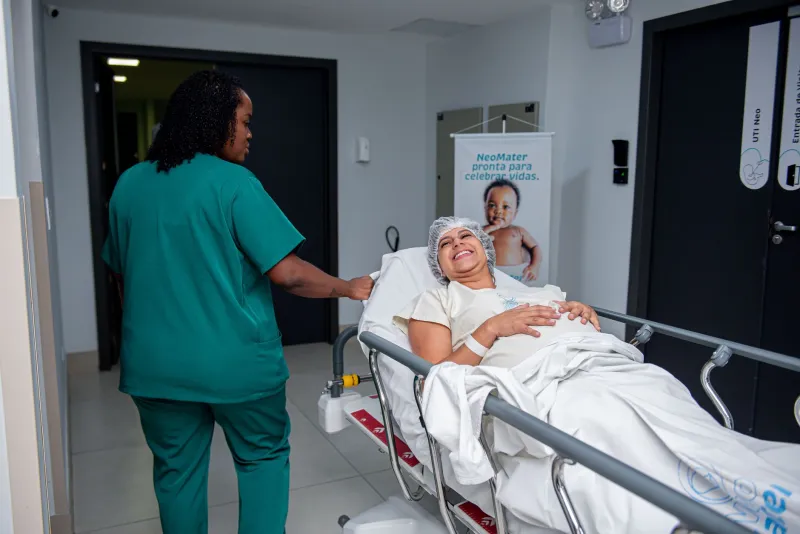
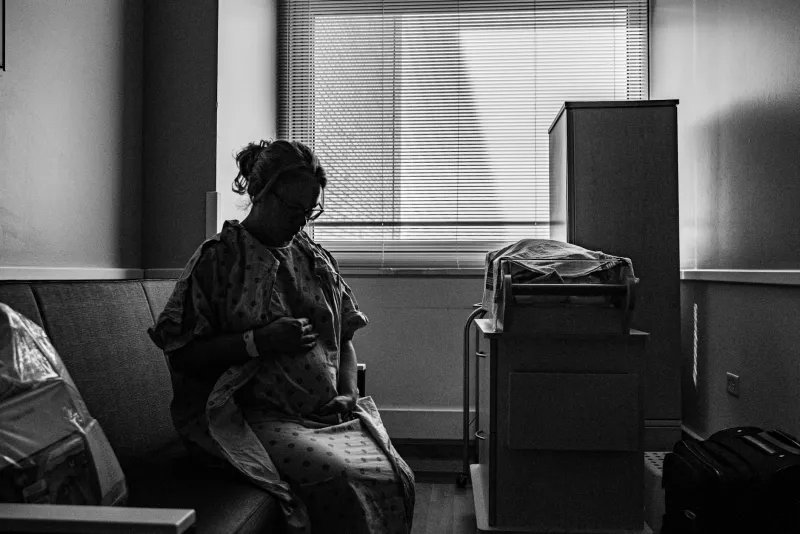
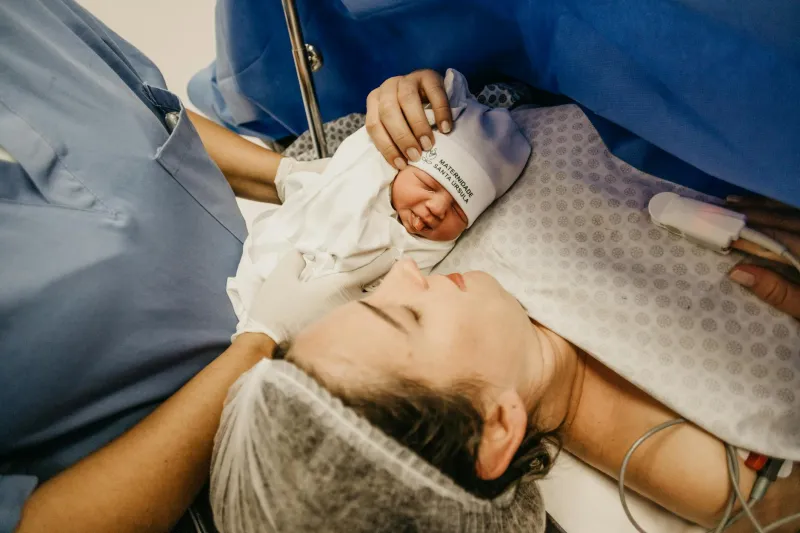
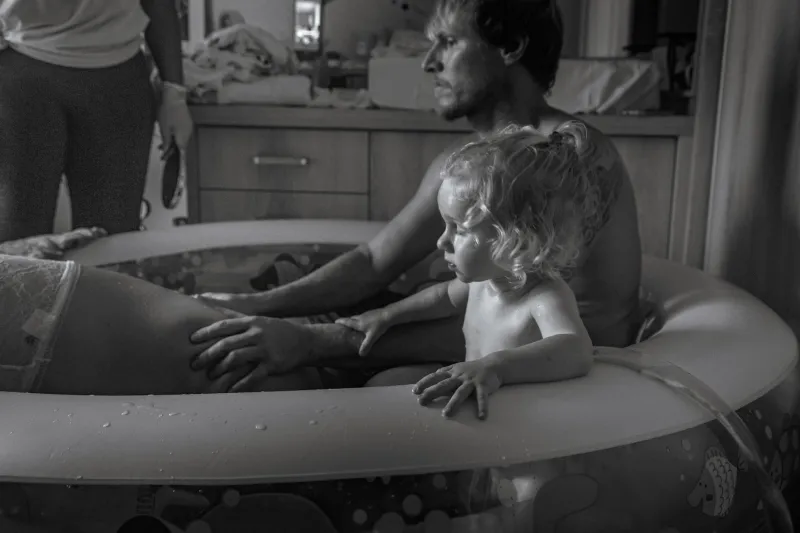
For most of human history, labor pain was simply something women endured — quietly, stoically, and without much say in how it was managed. The rise of the epidural didn't just change the physical experience of childbirth. It fundamentally rewrote who holds authority in the delivery room. More than 70 percent of American women giving birth today use one, and that number tells a story far bigger than pain relief.

The Brown Bag Lunch Had a Good Run. Then Washington Showed Up.

The Brown Bag Lunch Had a Good Run. Then Washington Showed Up.

The American school lunch started as a humble brown bag from home and became one of the most politically charged meals in the country. Thirty million children eat a federally regulated, nutritionally scrutinized school lunch every day — a system that traces its origins not to public health idealism, but to the alarming discovery that young men were too malnourished to fight in World War II.

From Bone Saws to Robots: How a Broken Leg Stopped Being a Death Sentence

From Bone Saws to Robots: How a Broken Leg Stopped Being a Death Sentence

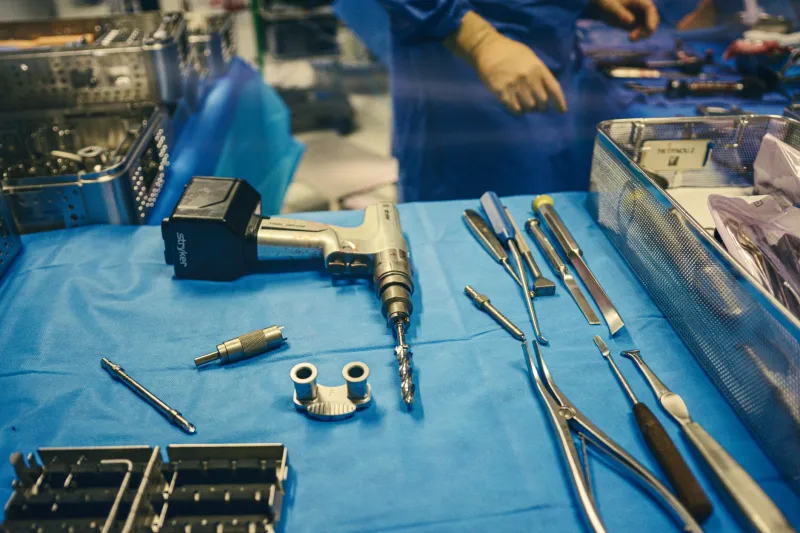
A century ago, a shattered femur could end your life — or at least your way of living it. Today, the same injury gets you titanium hardware, a physical therapy app, and a ride home the same afternoon. The distance between those two realities is one of medicine's most dramatic stories.

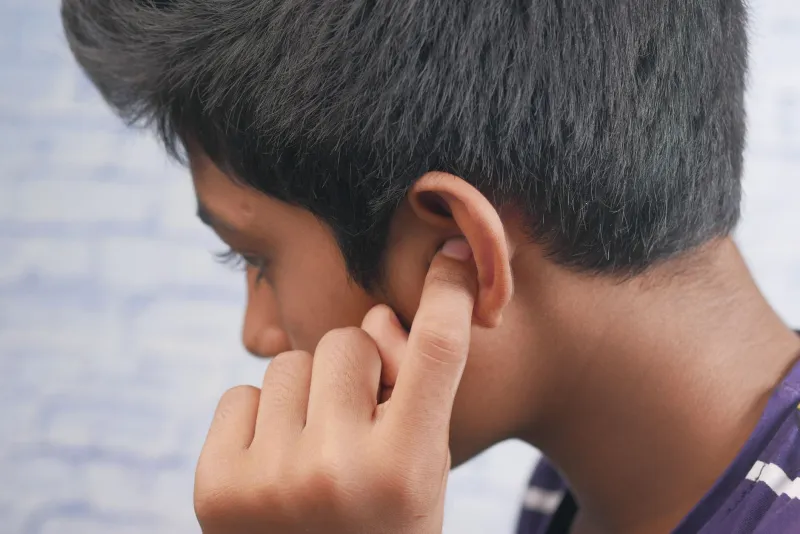
Ear Trumpets to Invisible Computers: The Long, Loud Journey of Hearing Loss Treatment

Ear Trumpets to Invisible Computers: The Long, Loud Journey of Hearing Loss Treatment

For most of American history, significant hearing loss meant social isolation, misdiagnosis, and a world that largely didn't try to accommodate you. The path from a hollowed-out animal horn held to the ear to a nearly invisible Bluetooth device that streams your podcast is one of the stranger and more overlooked stories in medical technology.

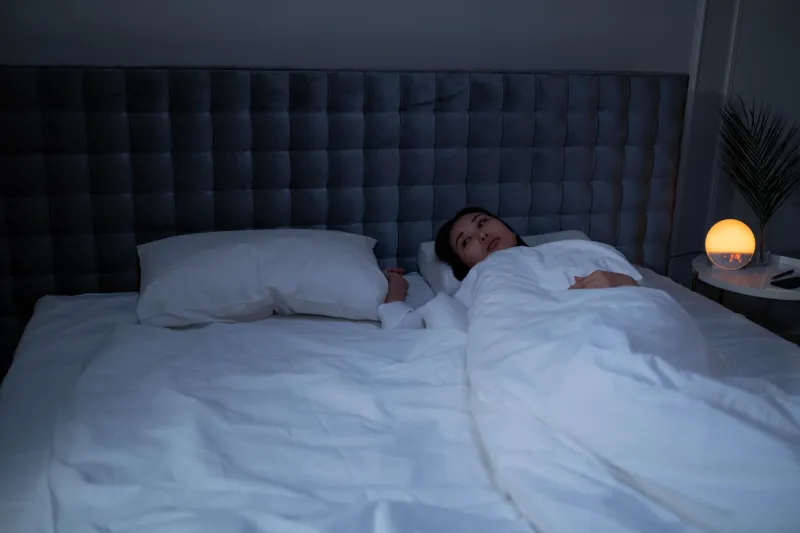
Lights Out Used to Be Enough. Now We've Turned Sleep Into a Second Job.

Lights Out Used to Be Enough. Now We've Turned Sleep Into a Second Job.

Your grandparents didn't track their REM cycles, take magnesium glycinate, or listen to a 45-minute wind-down podcast before bed. They just went to sleep. Somewhere between then and now, America decided sleep was a problem to be solved — and built a multi-billion-dollar industry to prove it. The strange part is, we're sleeping worse than ever.

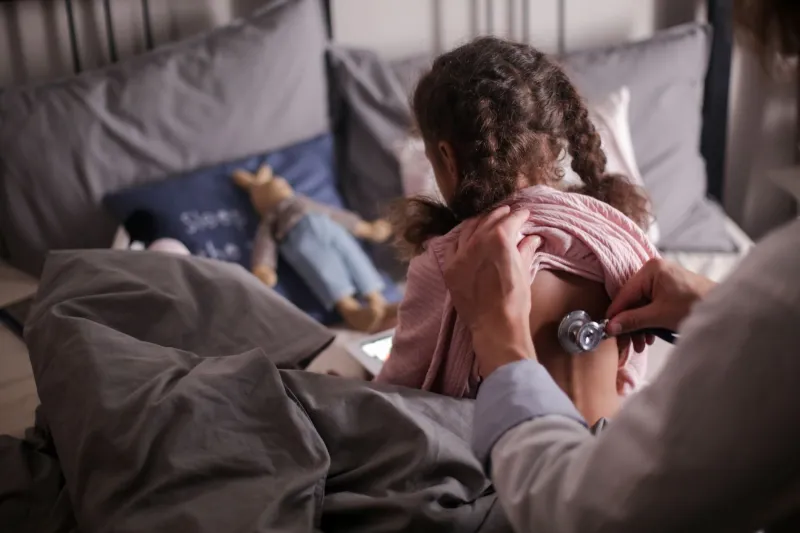
When the Doctor's Hands Were the Lab: How Medicine Traded Touch for Technology

When the Doctor's Hands Were the Lab: How Medicine Traded Touch for Technology

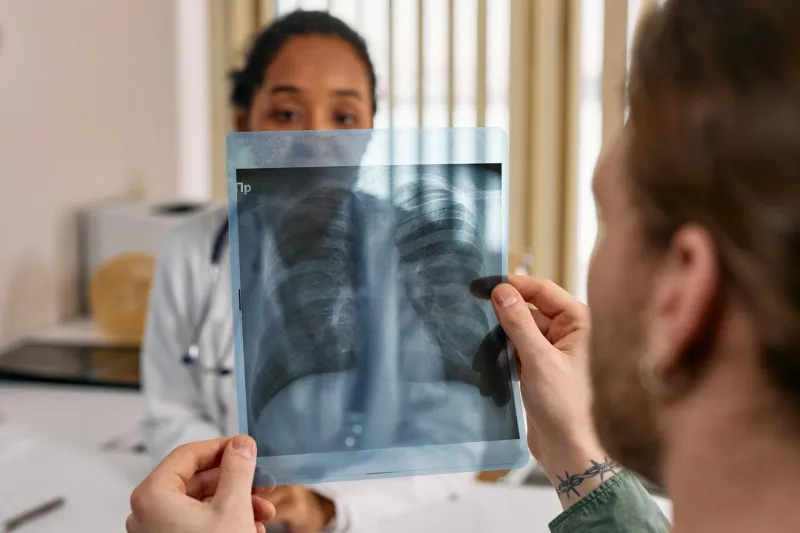
There was a time when your doctor could tell a lot about what was wrong with you just by looking, listening, and pressing a few fingers against your skin. Today, that same visit ends with a referral, a requisition form, and a six-week wait for results. Something changed — and not all of it was progress.

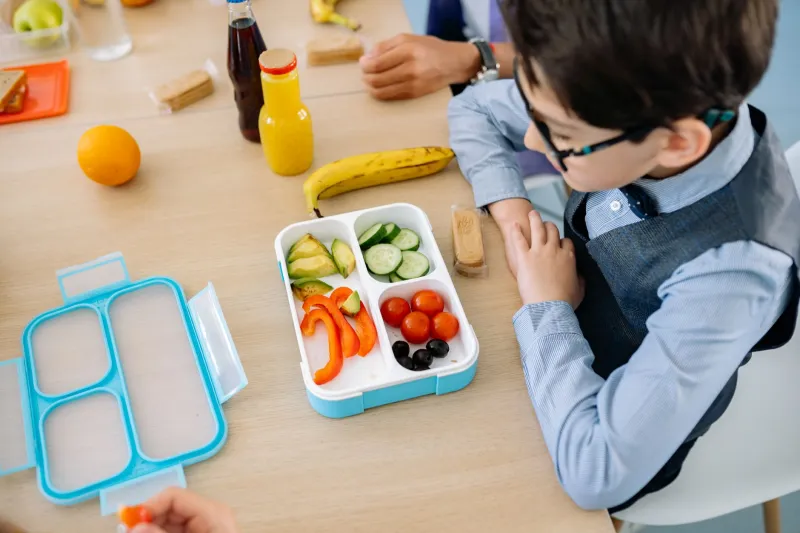
Bologna on White Was Fine: How the American School Lunch Became a Parenting Exam

Bologna on White Was Fine: How the American School Lunch Became a Parenting Exam

Not long ago, packing a school lunch meant throwing a sandwich, a bag of chips, and maybe a Twinkie into a metal box and calling it done. Today it involves organic ingredients, allergen cross-contamination anxiety, Instagram-worthy bento layouts, and the quiet dread of judgment from other parents. What happened to the simple midday meal — and what does its transformation say about us?

When Every Kid Got Sick and Parents Called It Character Building

When Every Kid Got Sick and Parents Called It Character Building

Your parents lived through measles, mumps, and chickenpox as routine childhood experiences. Today's kids avoid most childhood diseases entirely, but some parents wonder if we've sanitized childhood too much. Here's what actually happened when everyone just got sick and survived.

Your Doctor Used to Read Your Body Language. Now They Read Insurance Codes.

Your Doctor Used to Read Your Body Language. Now They Read Insurance Codes.

Before managed care transformed medicine, doctors spent real time observing patients, reading between the lines, and trusting their instincts. Today's physicians are skilled diagnosticians, but the art of truly knowing a patient has been replaced by the science of billing efficiently.

When Having a Baby Meant Rolling the Dice With Death

When Having a Baby Meant Rolling the Dice With Death

Just a century ago, one in five women didn't survive childbirth. The revolution that changed everything wasn't fancy technology — it was soap, clean hands, and doctors finally listening to evidence.

Your Great-Grandparents Slept Twice a Night. Your Body Still Wants To.

Your Great-Grandparents Slept Twice a Night. Your Body Still Wants To.

For most of human history, people didn't sleep eight hours straight. They slept in two distinct phases, separated by an hour or two of quiet wakefulness. Then came electric light, and everything changed. Today's epidemic of insomnia might actually be our bodies rebelling against a sleep pattern that's only 150 years old.

The Doctor Who Knew Your Name Is Gone. Here's What We're Missing.

The Doctor Who Knew Your Name Is Gone. Here's What We're Missing.

A century ago, your family doctor arrived at your door with a leather bag and stayed until the crisis passed. Today, you're scheduled for 15 minutes with someone you've never met. The transformation from intimate, continuous care to efficient, fragmented medicine tells a story about what modern healthcare gained—and what it quietly abandoned.

Classrooms Used to Run on Fear. What Replaced It Might Surprise You.

Classrooms Used to Run on Fear. What Replaced It Might Surprise You.

Fifty years ago, a misbehaving student might leave school with welts on their hands. Today, that same student might get a breathing exercise and a check-in with a counselor. The transformation of the American classroom is one of the most dramatic cultural shifts hiding in plain sight.

What a Heart Attack Meant in 1970 vs. What It Means Now

What a Heart Attack Meant in 1970 vs. What It Means Now

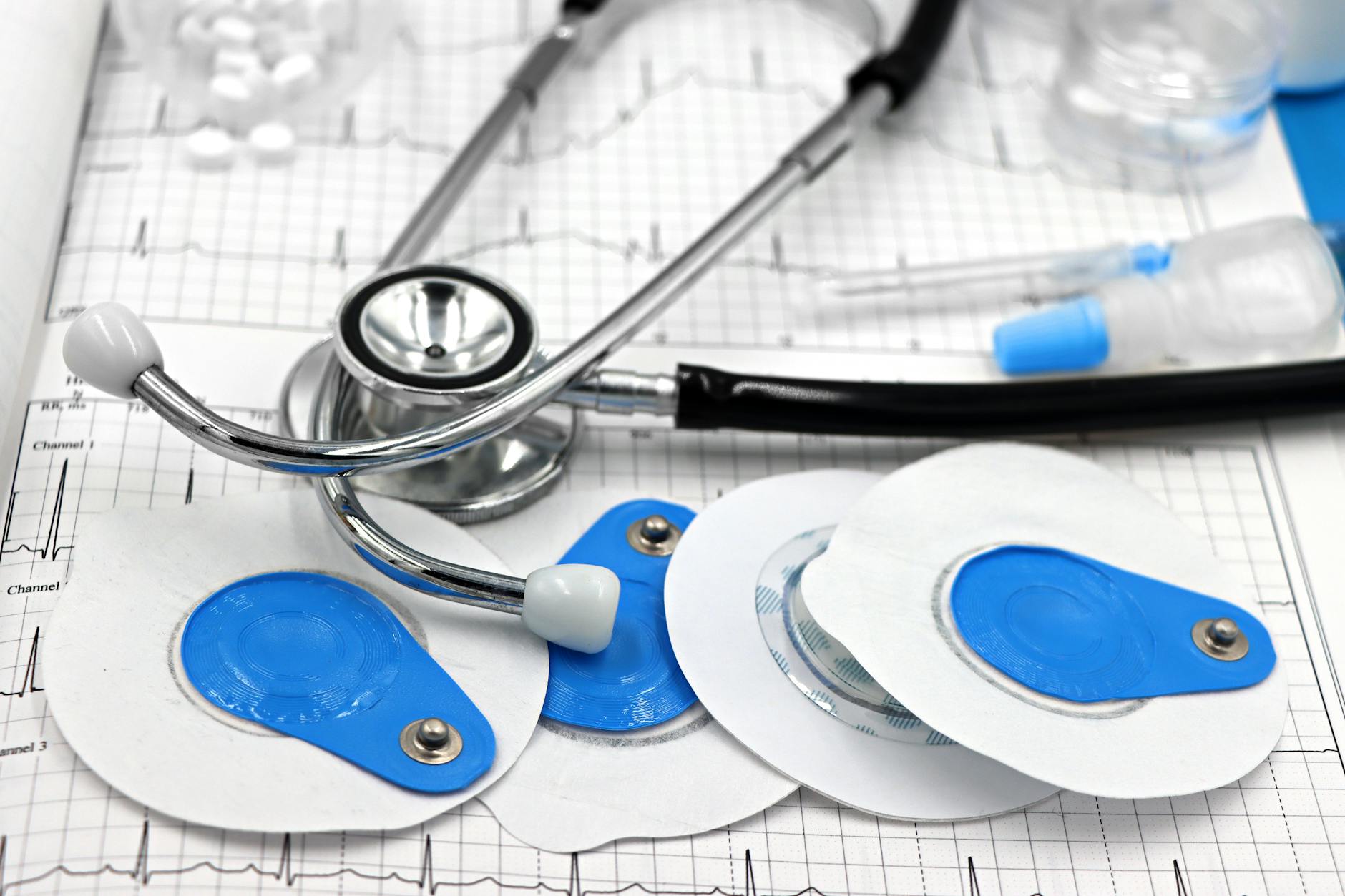
In 1970, surviving a heart attack was largely a matter of luck, timing, and bed rest. Today, a sophisticated chain of care — from clot-busting drugs to minimally invasive surgery to wearable monitors — has completely rewritten the odds. The distance between then and now is almost impossible to overstate.

Medicine Used to Be a Lot More Guesswork Than You'd Imagine

Medicine Used to Be a Lot More Guesswork Than You'd Imagine

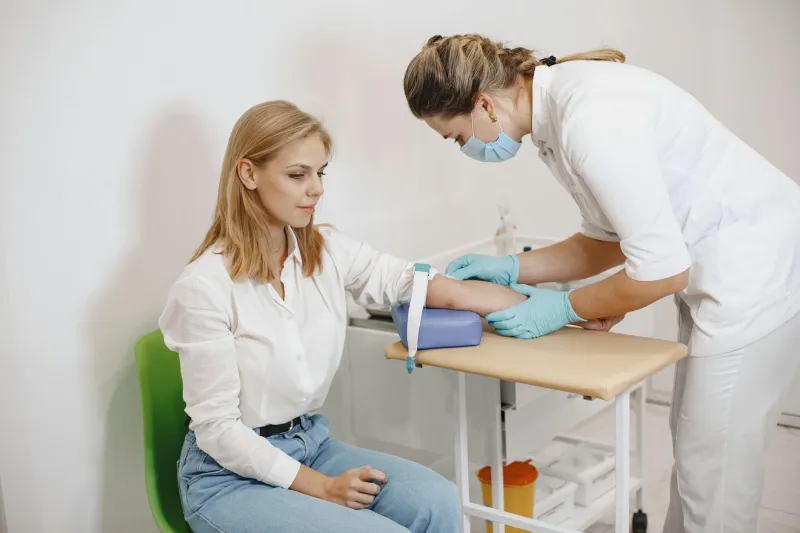
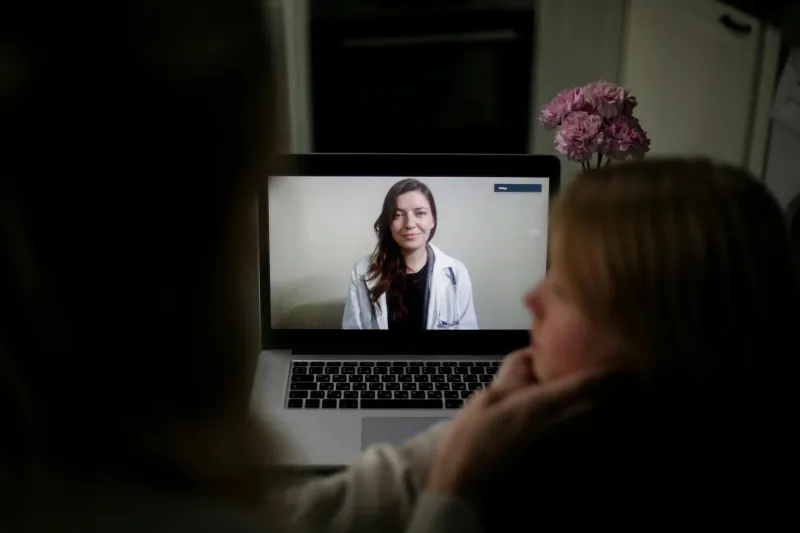
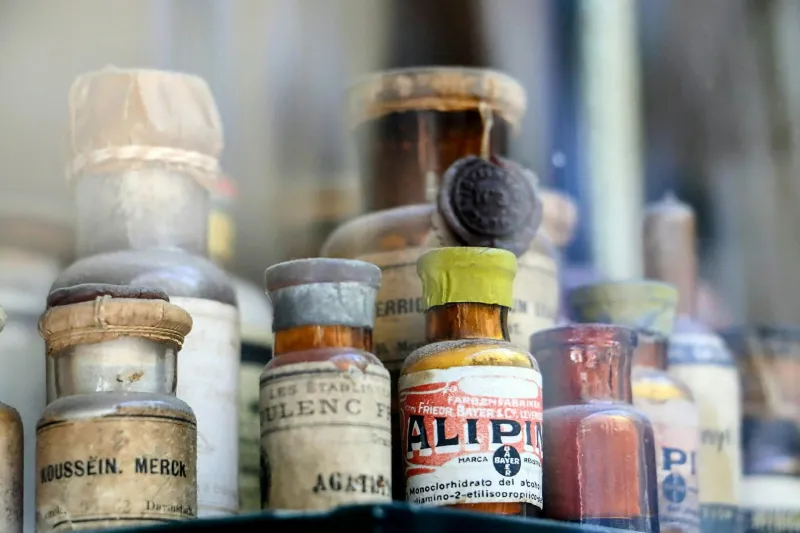
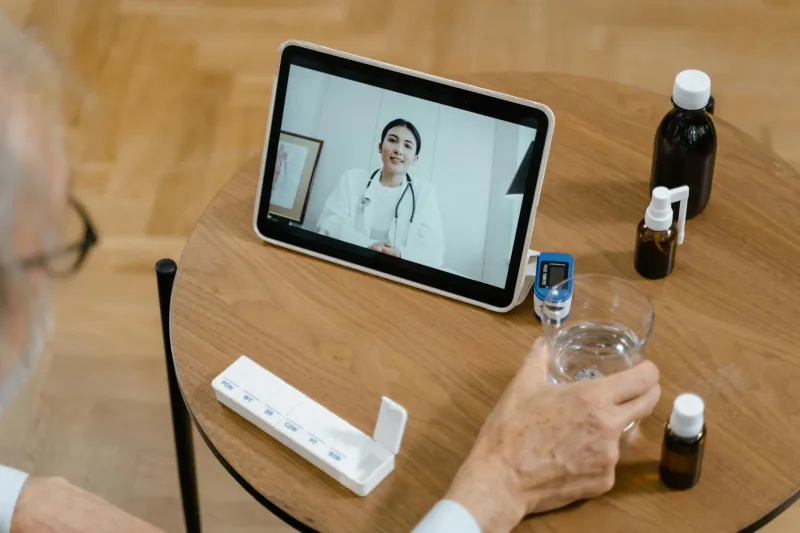
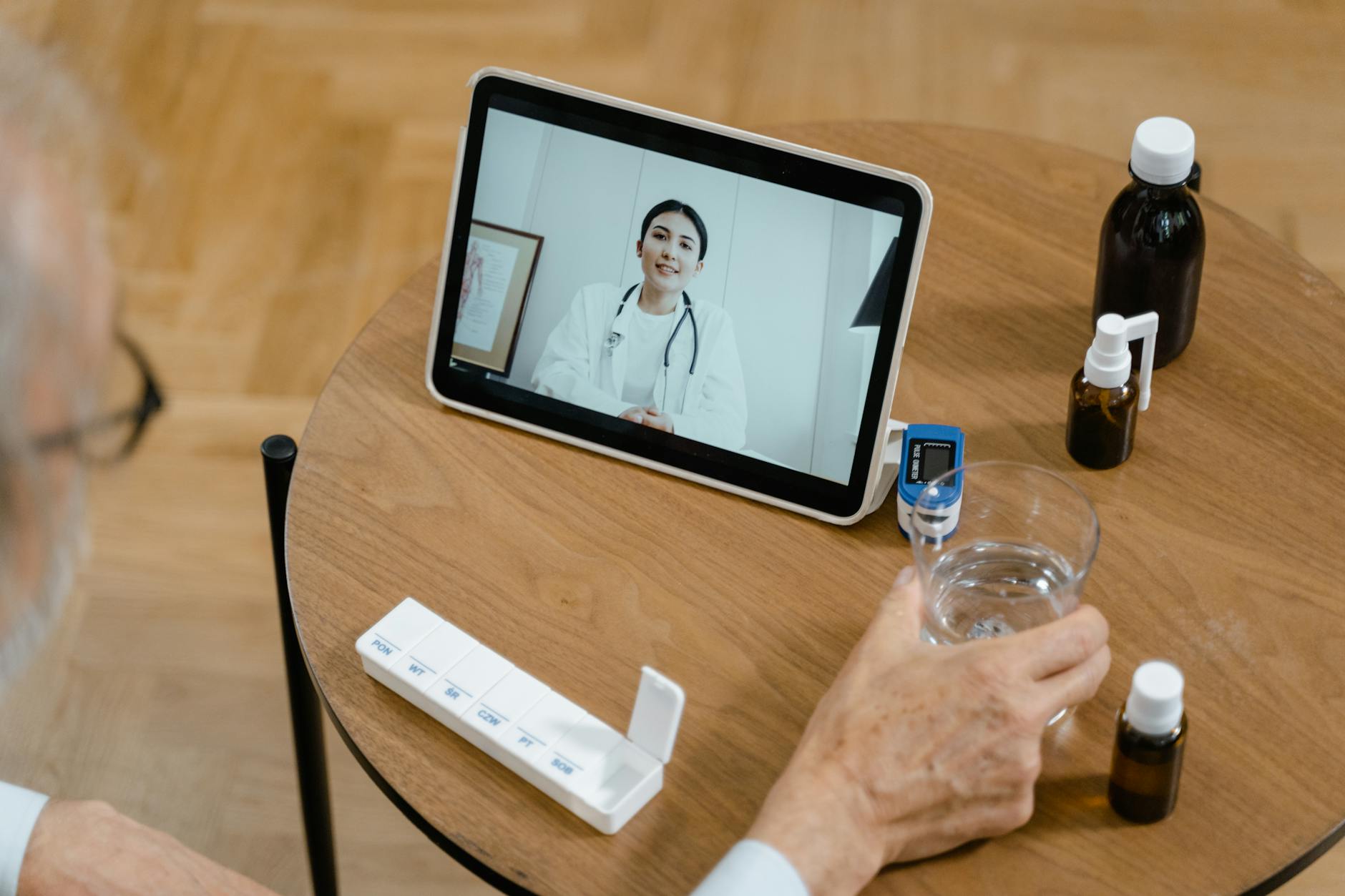
Your grandfather's doctor probably made house calls, kept notes in a paper ledger, and had no way to run a blood test before Tuesday. Today you can video-chat a physician at midnight and have lab results on your phone by morning. The gap between those two worlds is enormous — and not entirely in the ways you'd expect.