Tap Water Used to Be America's Greatest Achievement. Now We're Afraid to Drink It.
When Turning on the Tap Felt Like Magic
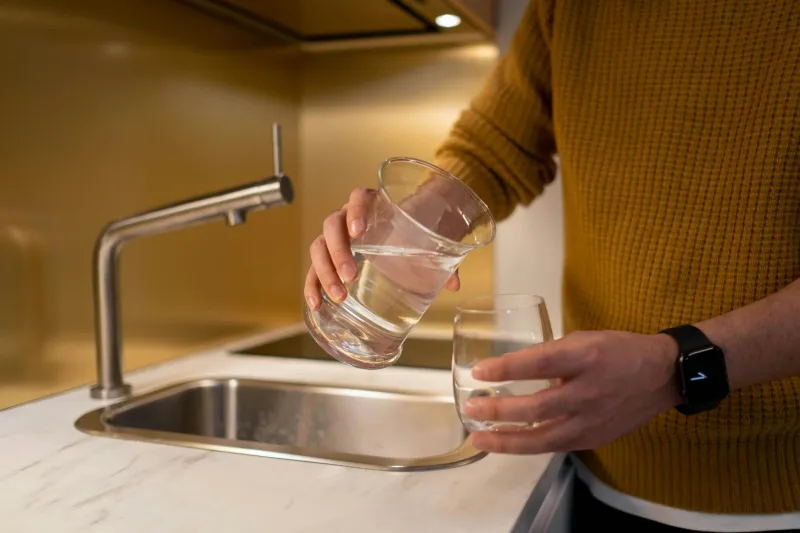
In 1955, drinking a glass of water from the kitchen faucet felt like participating in a modern miracle. Americans had just lived through the greatest public health achievement in human history: the systematic delivery of clean, safe drinking water to virtually every home and business in the country.
Your grandfather didn't think twice about filling his glass from the tap because he remembered when clean water wasn't guaranteed. He'd grown up hearing stories of cholera outbreaks and typhoid epidemics that swept through cities before municipal water treatment. To him, that stream of clear water represented the triumph of American engineering and public health expertise.
Families kept a pitcher of tap water in the refrigerator, not because they were worried about contamination, but because cold water tasted better on hot summer days. The idea of paying money for water in individual plastic bottles would have seemed as absurd as buying bottled air.
The Infrastructure Victory Nobody Talks About
Between 1900 and 1950, American cities built one of the most ambitious public works projects in human history. They constructed massive treatment plants, laid thousands of miles of underground pipes, and established testing protocols that made waterborne diseases virtually extinct in developed areas.
This wasn't just about convenience — it was about survival. In 1900, waterborne illnesses killed thousands of Americans annually. Cities like Chicago saw infant mortality rates drop by 75% after implementing comprehensive water treatment. Clean municipal water was literally saving lives on a scale that dwarfed any medical intervention of the era.
By the 1960s, American tap water was so reliably safe that public health officials considered the water system their greatest victory. International visitors marveled at the ability to drink water anywhere in America without fear of illness.
The Cracks in the Foundation
The first serious challenge to tap water's reputation came in the 1970s, when industrial contamination began surfacing in communities across America. Love Canal in New York, Times Beach in Missouri, and dozens of other environmental disasters revealed that the same industrial progress that built America's water systems had also polluted them.
These weren't problems with municipal water treatment — they were problems with what was going into the water before treatment began. Chemical companies had been dumping industrial waste into rivers and groundwater for decades, creating contamination that existing treatment plants weren't designed to handle.
The Environmental Protection Agency, created in 1970, began identifying contaminants that municipal systems couldn't remove. Suddenly, the same water that represented American achievement also represented American environmental failure.
How Marketing Manufactured Distrust
The bottled water industry saw opportunity in growing environmental concerns. Companies like Perrier, which had sold sparkling water to upscale restaurants, began marketing bottled water as a safer alternative to tap water for everyday consumption.
This required a fundamental shift in American psychology. The industry had to convince people that water — something that flowed freely from every faucet — was worth buying in individual portions at prices that exceeded gasoline.
The marketing was brilliant and insidious. Instead of making specific health claims, which would have required FDA approval, companies suggested purity through imagery: mountain springs, pristine glaciers, and untouched wilderness. They didn't say tap water was dangerous; they just implied that bottled water was more "natural."
The Irony of Bottled Tap Water
What many Americans don't realize is that roughly 40% of bottled water is literally tap water that's been filtered and repackaged. Brands like Aquafina and Dasani source their water from municipal supplies, then use marketing to convince consumers they're buying something fundamentally different from what comes out of their kitchen faucet.
This represents one of the most successful marketing campaigns in American history: convincing people to pay 1,000 times more for a product that's often identical to what they already have at home.
The environmental cost is staggering. Americans consume roughly 50 billion plastic water bottles annually, requiring 17 million barrels of oil to produce and creating waste that will persist for centuries.
The Real Risks vs. Perceived Risks
Modern American tap water faces genuine challenges. Aging infrastructure has led to problems like the lead contamination in Flint, Michigan. Some agricultural and industrial chemicals aren't effectively removed by standard treatment processes. Many municipal systems struggle with funding for necessary upgrades and maintenance.
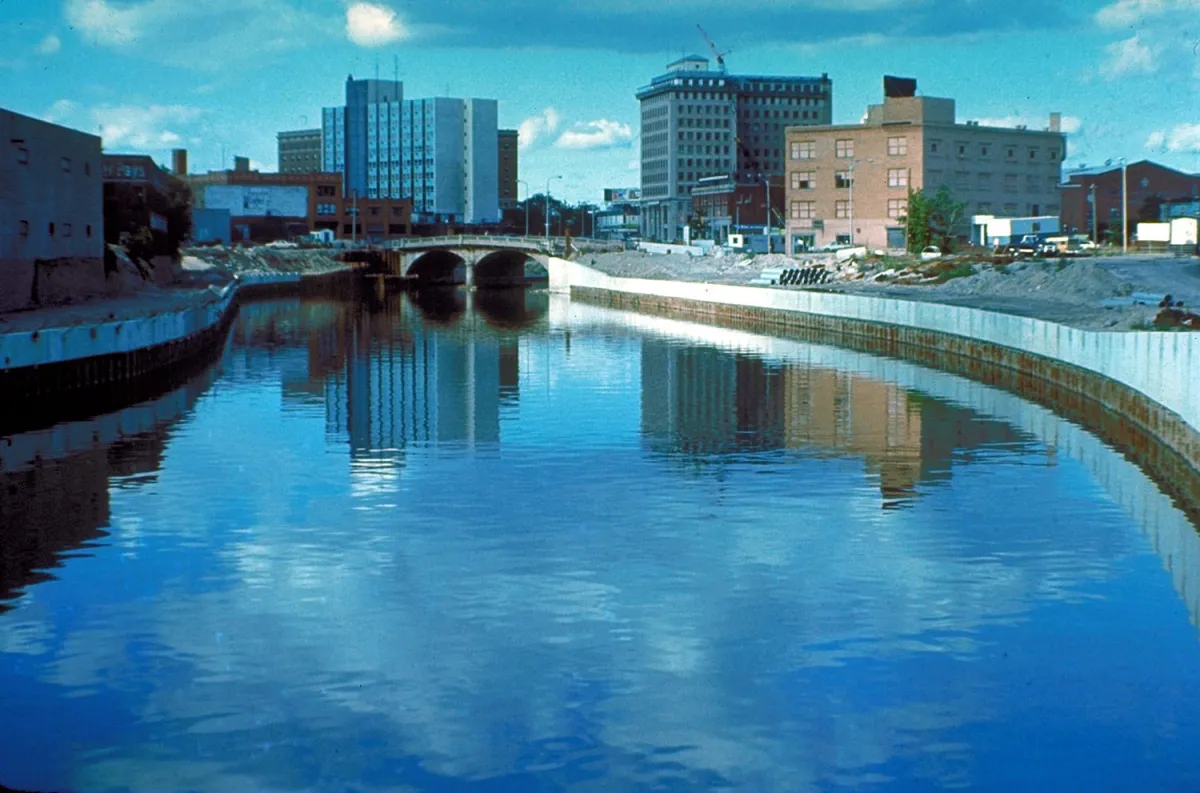 Photo: Flint, Michigan, via static3.businessinsider.com
However, these real problems exist alongside manufactured fears that far exceed actual risks. The vast majority of American tap water meets or exceeds safety standards that are more stringent than those applied to bottled water. Municipal water systems test for contaminants daily and publish results publicly, while bottled water companies test far less frequently and aren't required to share results.
The psychological impact of environmental disasters has created a risk perception that doesn't match statistical reality. Americans worry about trace chemicals in tap water while ignoring larger health risks from diet, exercise, and lifestyle choices.
The $16 Billion Fear Industry
Americans now spend roughly $16 billion annually on bottled water — more than they spend on iPads, movie tickets, or books. This represents a complete reversal of mid-century attitudes toward municipal water systems.
The industry has expanded beyond basic bottled water into alkaline water, electrolyte-enhanced water, and vitamin-infused water, each marketed as solving problems that most consumers didn't know they had. The same tap water that our grandparents considered a triumph of civilization now requires expensive enhancement to be considered adequate.
Home filtration systems represent another $3 billion market, often sold through fear-based marketing that exaggerates contamination risks. Many of these systems remove beneficial minerals along with potential contaminants, creating water that's actually less healthy than what comes from the tap.
The Class Divide in Water Access
The bottled water boom has created a two-tiered system where wealthy Americans buy their way out of public water systems while low-income families rely on infrastructure that receives less political support as affluent constituents opt out.
This dynamic undermines the collective investment that made American tap water safe in the first place. When middle and upper-class families stop relying on municipal water, they also stop demanding the political investment necessary to maintain and improve public systems.
Ironically, the communities most likely to have genuine tap water problems — rural areas and low-income urban neighborhoods — are also least likely to afford bottled water alternatives.
What We've Lost in Translation
The shift from tap water confidence to bottled water dependence represents more than a change in consumer behavior. It reflects a broader loss of faith in public institutions and collective solutions to shared problems.
Our grandparents understood municipal water systems as a shared achievement that required shared investment and oversight. Today's bottled water culture encourages individual solutions to collective problems, undermining the political support necessary to maintain public infrastructure.
This privatization of water consumption has also disconnected Americans from understanding where their water comes from and how it's treated. When water comes from a plastic bottle, it's easy to forget about watersheds, treatment plants, and the thousands of workers who ensure water safety.
The Path Forward
Some communities are working to rebuild confidence in public water systems through improved transparency, infrastructure investment, and public education campaigns. Cities like New York have successfully marketed their tap water as a premium product, encouraging residents to choose municipal water over bottled alternatives.
These efforts face significant headwinds from decades of marketing that has taught Americans to distrust public water systems. Rebuilding that trust requires not just better infrastructure, but better communication about the real risks and benefits of different water sources.
The irony is that fixing America's actual water problems — aging pipes, industrial contamination, and underfunded treatment plants — requires the same kind of collective investment that built the system in the first place. But that's harder to achieve when affluent consumers have already purchased their way out of caring about public solutions.
Whether America can return to viewing clean tap water as a shared achievement rather than an individual purchase remains an open question. But the contrast with just a few decades ago shows how quickly public confidence can erode — and how expensive the alternatives can become.