The Great Hydration Hustle: How Drinking Water Became a Billion-Dollar Anxiety Industry
In 1985, if you told a parent they needed to monitor their child's fluid intake throughout the day, track ounces consumed, and ensure proper electrolyte balance during a game of kickball, they would have assumed you were describing care for a hospitalized patient.
Today, those same activities describe a normal Tuesday for millions of American parents.
When Thirst Was Enough
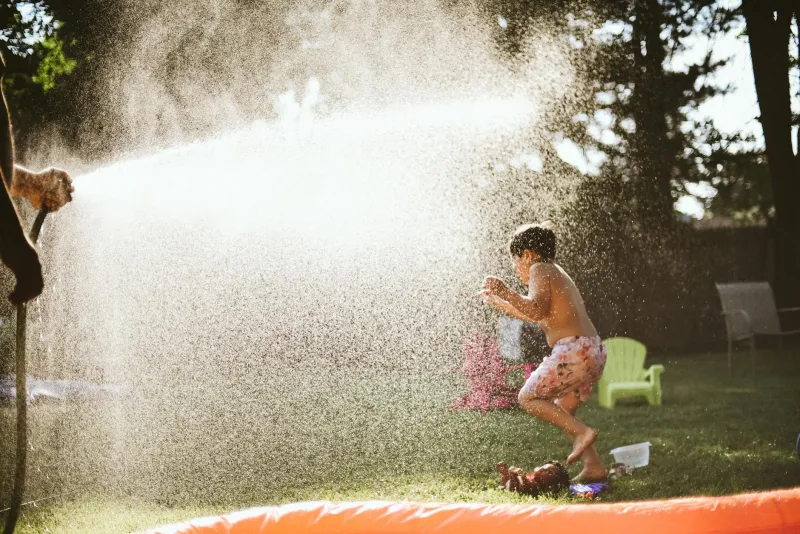
Thirty years ago, children drank when they felt thirsty. They drank from water fountains, garden hoses, kitchen taps, and the occasional juice box. Nobody measured intake, scheduled hydration breaks, or worried about whether plain water was "enough" for a child walking to school.
Parents sent kids outside with the instruction to "come in when the streetlights turn on." If those children got thirsty during eight hours of outdoor play, they found water wherever they could—often from sources that would horrify today's parents. Garden hoses warmed by summer sun. Public water fountains that dozens of other kids had used. Even puddles, in desperate moments.
And somehow, they survived.
"We never thought about hydration as a thing you managed," recalls Jennifer Walsh, now 52, who raised three children in the 1990s. "Kids drank when they were thirsty, just like they ate when they were hungry. It never occurred to me that I needed to track it or worry about it."
The Birth of Hydration Anxiety
The transformation began in the 1990s with the rise of sports medicine and performance optimization culture. Athletes began paying attention to hydration strategies, electrolyte replacement, and fluid timing. This scientific approach to hydration made sense for elite performers pushing their bodies to extremes.
But somewhere along the way, the protocols designed for Olympic marathoners began trickling down to suburban soccer leagues and elementary school playgrounds.
Sports drink companies played a crucial role in this shift. Gatorade, originally developed for University of Florida football players training in extreme heat, began marketing to youth sports leagues and concerned parents. The message was subtle but effective: plain water wasn't enough. Children needed "enhanced hydration" to perform their best and stay safe.
 Photo: University of Florida, via wallpapers.com
The Bottled Water Revolution
Simultaneously, the bottled water industry was convincing Americans that tap water—the same water that had built the country—was somehow inadequate. Marketing campaigns emphasized purity, taste, and convenience while subtly suggesting that municipal water systems couldn't be trusted.
By 2000, American families were spending billions on bottled water despite having access to some of the safest tap water in the world. Children who had grown up drinking from hoses were now carrying branded water bottles as fashion accessories and status symbols.
The bottles themselves became part of the hydration anxiety cycle. Parents could see exactly how much their children were—or weren't—drinking. A half-empty bottle at pickup time became evidence of inadequate fluid intake rather than a sign that the child simply wasn't thirsty.
The Medicalization of Thirst
Perhaps most significantly, normal childhood thirst became pathologized. School nurses began sending home notes about children who appeared "dehydrated"—often meaning nothing more than that they hadn't consumed their recommended daily fluid intake. Parents started viewing their children's thirst response as unreliable, something that needed external monitoring and management.
Pediatricians, responding to parental concerns, began incorporating hydration assessments into routine check-ups. Children who showed no signs of medical distress were nonetheless lectured about the importance of drinking more water, often with specific ounce targets that bore little relationship to their actual needs.
The Premium Water Industrial Complex
What started with simple bottled water has evolved into a sophisticated marketplace of hydration products specifically marketed to families. Children now carry water bottles that cost more than their parents' first cars, equipped with time markers, measurement scales, and reminder features.
Some popular children's water bottles cost upward of $40 and promise to "encourage healthy hydration habits" through gamification, color-changing features, and smartphone connectivity. The idea that children might simply drink when thirsty—the way humans had done for thousands of years—is now considered dangerously outdated.
The School Water Crisis
Schools have become ground zero for hydration anxiety. Many districts have banned or restricted access to traditional water fountains, citing hygiene concerns. Children are now required to bring their own water bottles, creating a daily logistical challenge for families and a new source of inequality among students.
Some schools have implemented "hydration policies" that require teachers to monitor student water intake and send alerts to parents when consumption appears low. Children are given scheduled water breaks, as if thirst operated on a classroom timetable rather than physiological need.
The irony is profound: in the name of better health, schools have eliminated the simple, democratic access to water that previous generations took for granted.
The Electrolyte Explosion
Plain water, once considered perfectly adequate for everyone from construction workers to marathon runners, is now viewed as insufficient for children walking to school. The sports drink industry has successfully convinced parents that normal childhood activities require electrolyte replacement.
Products marketed specifically to children promise to replace minerals lost through "active play"—activities like riding bikes or playing tag that previous generations performed while consuming nothing but tap water. The message is clear: your child's body cannot be trusted to handle normal physical activity without commercial intervention.
The Real Health Impact
The most troubling aspect of hydration anxiety isn't the wasted money or unnecessary complexity—it's the impact on children's relationship with their own bodies. When we teach children that they cannot trust their thirst, we undermine their natural regulatory systems and create dependence on external monitoring.
Children who grow up having their water intake managed and measured may never develop confidence in their body's ability to signal its needs. They become adults who require apps, reminders, and products to do what their bodies are designed to do automatically.
The Simple Truth
Meanwhile, medical research consistently shows that healthy children with access to water rarely become dangerously dehydrated during normal activities. The human thirst mechanism, refined over millions of years of evolution, remains remarkably effective at preventing dehydration.
Dr. Sarah Kim, a pediatrician in Sacramento, sees the results of hydration anxiety daily. "I have parents bringing in children for 'dehydration' who show no clinical signs of fluid deficiency," she says. "They're simply normal kids who didn't finish their water bottles. We've created a problem that didn't exist."
Finding Balance
None of this means that hydration isn't important or that children should never be encouraged to drink water. Clean, accessible water is indeed crucial for health. But the difference between ensuring access to water and managing every ounce of consumption is vast.
The children who drank from garden hoses in the 1980s grew up to be healthy adults, not because they had superior hydration products, but because they learned to trust their bodies' signals and had simple, reliable access to clean water when they needed it.
Perhaps the most radical thing modern parents could do is return to that simplicity: provide access to clean water, trust their children's thirst, and save their anxiety for actual health threats. Sometimes the old way—drinking when you're thirsty—really was the best way.