The Waiting Room Used to Be the Only Room: How Telehealth Rewrote the Doctor Visit
The Waiting Room Used to Be the Only Room: How Telehealth Rewrote the Doctor Visit
There was a time when "going to the doctor" meant exactly that—going somewhere. You'd block out half your day, drive across town, and settle into a beige waiting room that smelled like industrial disinfectant and broken dreams. The magazines were always six months old, the chairs were always uncomfortable, and you'd inevitably catch someone else's cough while waiting to discuss your own health problems.
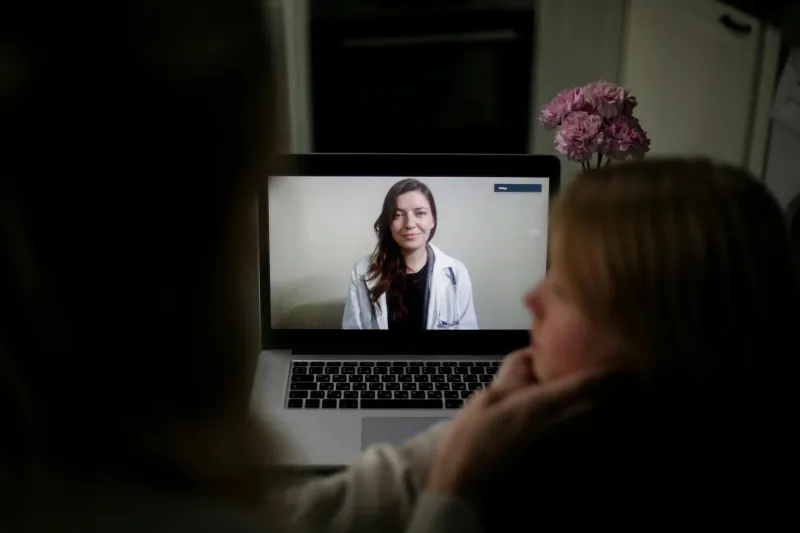
Then 2020 happened, and suddenly your kitchen table became a medical office.
The Sacred Ritual of the Waiting Room
For decades, the doctor's visit followed an unwritten script. You'd arrive fifteen minutes early (as instructed), check in with a receptionist behind bulletproof glass, and then wait. And wait. The average American spent 20 minutes in waiting rooms before seeing their doctor, according to pre-pandemic surveys. Some waited hours.
The waiting room was its own ecosystem. There were the regulars—elderly patients who knew exactly which chair had the best view of the parking lot. The anxious parents bouncing fussy toddlers. The person who insisted on having loud phone conversations about their symptoms. Everyone pretended not to listen while secretly diagnosing each other.
You'd flip through the same copy of People magazine from March 2019, wondering if that celebrity couple was still together. The fish tank bubbled in the corner, usually missing at least one fish. The receptionist would periodically announce that "Doctor is running a little behind," which everyone knew meant at least another thirty minutes.
Then came the ritual of the exam room—another waiting period in an even smaller space, wearing a paper gown that never quite covered everything it should.
When Your Living Room Became the Clinic
Fast-forward to today, and that entire experience has been compressed into a notification on your phone: "Dr. Johnson is ready to see you." You click a link, and suddenly you're face-to-face with your physician while wearing pajama pants and sitting on your own couch.
The transformation happened almost overnight. Telehealth visits jumped from 1% of all medical consultations in 2019 to 85% during the peak of the pandemic. Even now, virtual visits account for about 15-20% of all doctor appointments—a permanent shift that would have seemed impossible just five years ago.
The efficiency is undeniable. What once required a half-day commitment now takes fifteen minutes. No driving, no parking fees, no exposure to other people's illnesses. You can see a doctor during your lunch break, between Zoom meetings, or while your kids nap.
Patients love it. A 2023 survey found that 76% of Americans prefer telehealth for routine consultations. The convenience factor is obvious, but there are subtler benefits too. Many people feel more comfortable discussing sensitive health issues from their own space. Teenagers are more likely to open up about mental health when they're in their bedroom rather than a sterile exam room.
The Art of Digital Diagnosis
Doctors had to completely reimagine how they practice medicine. Physical exams moved from hands-on to "show me where it hurts." Physicians learned to read body language through a computer screen and diagnose conditions they couldn't physically touch.
Some adaptations were surprisingly effective. Dermatologists could often see skin conditions more clearly through a high-definition camera than during an in-person visit under fluorescent lighting. Mental health professionals found that patients were more relaxed and forthcoming in familiar surroundings.
But other aspects proved trickier. How do you check someone's blood pressure through a screen? How do you feel for lumps or listen to heart murmurs? Many telehealth visits now end with the phrase, "If this doesn't improve, we'll need to see you in person." The virtual consultation became a triage system—efficient for simple issues, but with clear limitations.
What Got Lost in Translation
For all its convenience, something intangible disappeared when medicine moved online. The old-fashioned doctor visit was inefficient, sure, but it was also thorough. There was time for small talk that sometimes revealed important health information. A doctor might notice that you were walking differently or seemed more tired than usual—subtle cues that don't translate through a webcam.
The waiting room, for all its frustrations, served a purpose. It forced patients to slow down and focus on their health. It created space for reflection between the rushed pace of daily life and the important conversation with their doctor. Now, many patients join telehealth calls while multitasking, half-focused on emails or household tasks.
There's also the question of the digital divide. Not everyone has reliable internet or comfort with technology. Older patients, who often need the most medical care, can struggle with video calls. The efficiency of telehealth works great if you're tech-savvy and have good WiFi. If you don't, the old-fashioned waiting room might actually be more accessible.
The Hybrid Future
Most healthcare systems have settled into a hybrid model. Routine check-ins, prescription refills, and follow-up appointments happen virtually. Physical exams, procedures, and complex diagnoses still require in-person visits. It's the best of both worlds, theoretically.
But something fundamental has shifted in how we think about medical care. The doctor visit is no longer a destination—it's just another item on our digital to-do list. We've gained tremendous convenience and efficiency. Whether we've lost something equally valuable in the process is still being determined.
The waiting room, with all its inefficiencies and awkward magazine selections, represented a different relationship with healthcare—one where getting better required slowing down, showing up, and being present. Your laptop screen can deliver medical expertise, but it can't quite replicate the reassurance of a doctor's physical presence when you're scared about your health.
Progress rarely moves backward, and few people miss spending entire afternoons in waiting rooms. But as we video-call our way through life, it's worth remembering what we traded for all this convenience—and asking whether some things are better done the slow way.