When Calling Your Doctor Meant Actually Talking to a Human
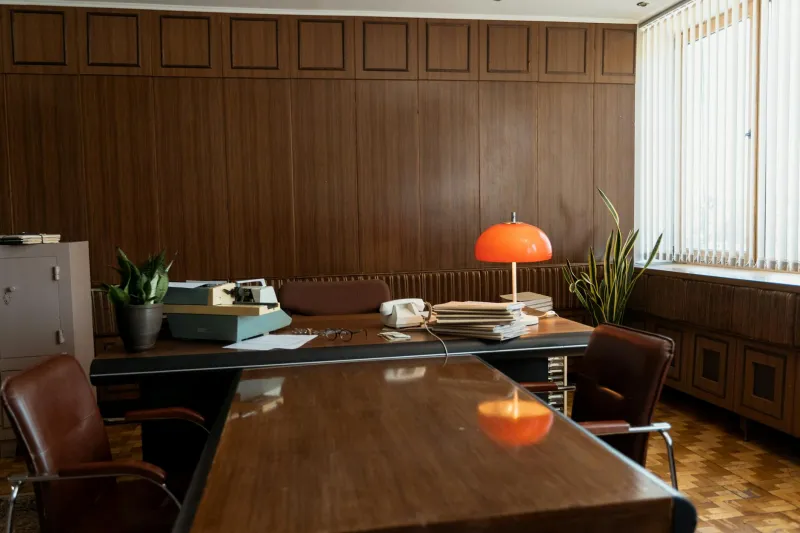
The Ritual of the Medical Phone Call
Picture this: It's 1985, and you wake up with a scratchy throat that's getting worse by the hour. You reach for the rotary phone on your nightstand and dial a number you know by heart. After three rings, a familiar voice answers: "Dr. Peterson's office, this is Margaret."
Margaret has worked the front desk for twelve years. She recognizes your voice before you even say your name. "Oh honey, you sound terrible," she says, already pulling your file from the metal cabinet behind her. "Let me see if the doctor can call you back before lunch."
This wasn't just healthcare—it was a relationship. And for millions of Americans, it's a world that has completely vanished.
When Your Medical History Lived in a Manila Folder
Back then, accessing healthcare outside the doctor's office was a delicate dance of timing, patience, and human connection. Your medical records lived in a physical file folder, thick with handwritten notes and prescription carbon copies. When you called with a concern, the receptionist would literally walk to a filing cabinet, pull your folder, and carry it to the doctor.
Dr. Peterson would flip through pages of his own handwriting, remembering not just your symptoms but your life. He knew you'd been stressed about your mother's health, that you'd recently switched jobs, that you were allergic to penicillin because you'd told him the story about your childhood reaction three different times.
When he called you back—usually within a few hours—the conversation felt complete. "Based on what Margaret told me and knowing your history, this sounds like the same thing you had last spring," he might say. "I'm calling in a prescription to Hartwell Pharmacy. Tell Bob I said to give you the good cough drops."
The Paper Trail That Actually Worked
Prescriptions were handwritten on small paper pads, often illegible to everyone except the pharmacist who'd been deciphering that doctor's scrawl for years. You'd drive to the pharmacy, hand over the slip of paper, and wait while the pharmacist—who also knew your name—prepared your medication.
Refills meant another phone call, another conversation, another human checkpoint in your healthcare journey. It was slow, sometimes frustrating, but it was also surprisingly thorough. Every interaction was a chance for someone who knew you to notice if something seemed off.
The Digital Revolution Arrives
Today, that entire system seems quaint, almost primitive. You wake up with that same scratchy throat, grab your smartphone, and open your healthcare app. Within minutes, you're video-chatting with a doctor you've never met, in a different state, who's looking at your digital health record while simultaneously managing three other patients.
The efficiency is remarkable. You can get a prescription sent to your pharmacy before your old doctor would have even returned your call. Telehealth platforms offer 24/7 access to medical professionals. Patient portals let you message your doctor directly, view test results instantly, and schedule appointments without talking to anyone.
Refills happen with a few taps on your phone. Your prescription history is stored in the cloud, accessible from anywhere. Digital pharmacies can deliver medications to your door in hours.
What We Gained, What We Lost
The improvements are undeniable. Today's system is faster, more convenient, and often more affordable. You're not constrained by office hours or geographic location. A dermatologist can diagnose your rash through a photo. A psychiatrist can provide therapy from your living room. Emergency prescriptions don't require a frantic drive to the doctor's office.
But something fundamental shifted when healthcare became a transaction instead of a conversation.
Margaret knew when your voice sounded different. She remembered that you were nervous about medical procedures and would automatically schedule extra time for your appointments. Dr. Peterson could read between the lines of your symptoms because he understood the context of your life.
Today's telehealth doctor sees your symptoms and your digital history, but they don't see you. They don't know that you're the type of person who downplays pain, or that you've been under unusual stress, or that you have a tendency to stop taking medications early because you "feel better."
The Human Algorithm We Can't Replicate
The old system had something that no app can provide: institutional memory held by actual humans. When Margaret answered the phone, she was running a complex algorithm based on years of observation, intuition, and genuine care. She knew which symptoms warranted an immediate callback and which could wait until tomorrow.
That knowledge didn't live in a database—it lived in her experience with you, specifically. It was inefficient and sometimes inconsistent, but it was also remarkably effective at catching the things that might slip through digital cracks.
The Speed We Wanted, The Connection We Didn't Know We'd Lose
We asked for healthcare to be faster, more convenient, more accessible. We got exactly what we wanted. But in optimizing for efficiency, we accidentally optimized away the relationships that made healthcare feel human.
Today's system serves us better in almost every measurable way. But it's worth acknowledging what we traded for that convenience: the comfort of being known, the security of being remembered, and the irreplaceable value of healthcare that felt like care.
The next time you tap "send" on a message to your doctor's portal, remember that somewhere, Margaret is retired, and Dr. Peterson's handwritten notes are probably in a landfill. Progress is rarely a perfect trade.