When Everyone Ate at 6 PM Sharp: The Rise and Fall of America's Sacred Dinner Hour
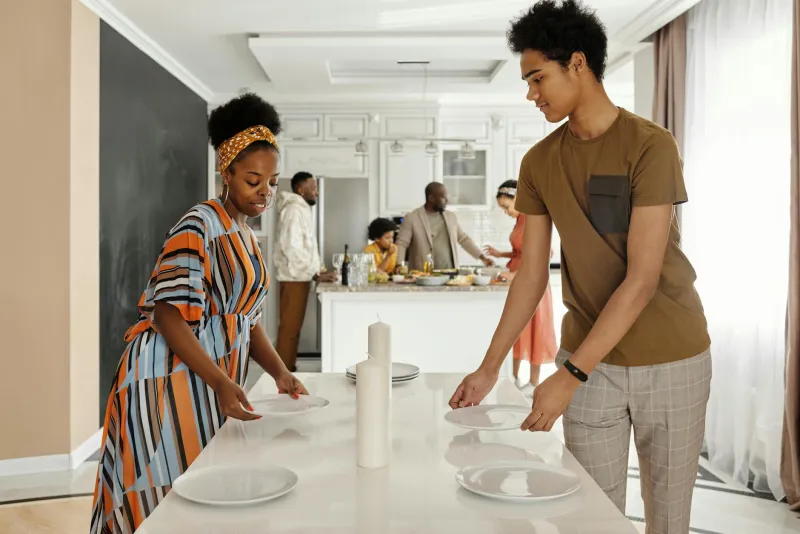
Walk through any suburban neighborhood at 6 PM in 1965, and you'd witness something remarkable: the synchronized dimming of kitchen lights as families across America sat down for dinner. No phones rang during this sacred hour. No one left the table until everyone finished. The evening meal wasn't just food—it was the day's most important appointment.
Today, that ritual feels almost quaint. Only about 30% of American families eat dinner together regularly, according to recent surveys. The question isn't just what happened to family dinner—it's what happened to us when it disappeared.
The Golden Age of the Dinner Table
In the 1950s and 1960s, family dinner operated like clockwork. Dad arrived home by 5:30 PM from his job downtown. Mom had spent the afternoon preparing a meal from scratch. Kids knew to wash their hands and take their assigned seats. The television stayed off, and conversation filled the space between passing the potatoes and clearing plates.
This wasn't just middle-class fantasy—it was statistical reality. Research from the era shows that 90% of American families ate dinner together most nights of the week. The meal lasted an average of 45 minutes, and everyone stayed until the last person finished eating.
Families planned their entire day around this moment. Little League practice ended by 5 PM. Piano lessons wrapped up in time for dinner. Even teenagers' social lives bent to accommodate the family table. Missing dinner required permission, not just a quick text message.
When the Cracks Started Showing
The first blow came from changing work patterns in the 1970s. As more mothers entered the workforce, the logistics of dinner preparation shifted dramatically. The person who once spent hours planning and cooking the evening meal now faced the impossible task of working a full day and still getting dinner on the table by 6 PM.
Commutes grew longer as families moved to distant suburbs. What once was a 15-minute trip home became an hour-long journey through traffic. Dad's 5:30 arrival became 6:30, then 7:00, then "I'll grab something on the way."
Children's schedules exploded with activities. Soccer practice, dance classes, tutoring sessions, and part-time jobs created a complex web of commitments that made coordinating family time nearly impossible. The idea of everyone being home at the same time started feeling like an elaborate puzzle with missing pieces.
The Microwave Revolution
Technology delivered the final blow to traditional family dinner. The microwave oven, which appeared in just 8% of American homes in 1978, was in 90% of kitchens by 1997. Suddenly, everyone could heat their own meal whenever they arrived home.
Fast food expanded beyond occasional treats to regular solutions. Drive-throughs offered family-sized meals that could be consumed in cars, eliminating the need to gather around a table at all. Restaurants began staying open later, making dinner out a viable option for busy families.
Pre-packaged meals evolved from simple TV dinners to sophisticated options that rivaled home cooking. The grocery store became filled with solutions for families who wanted good food but couldn't coordinate the time to prepare and eat it together.
What Science Says We Lost
The disappearance of family dinner wasn't just a cultural shift—it created measurable changes in child development and family health. Children who ate regular family dinners scored higher on standardized tests, had lower rates of depression and anxiety, and were less likely to engage in risky behaviors like drug use or early sexual activity.
The benefits extended beyond children. Adults who maintained regular family meals reported stronger relationships with their spouses and children, better communication within the family, and higher overall life satisfaction. The dinner table served as a daily forum for problem-solving, storytelling, and emotional connection.
Nutrition suffered too. Families eating together consumed more fruits and vegetables, had more balanced diets, and maintained healthier weights. The rushed, individual meals that replaced family dinner often meant more processed foods and fewer shared cooking skills passed between generations.
The Modern Attempt at Revival
Some families are fighting back against the scattered dinner trend. They're instituting "device-free" meals, scheduling family dinner like any other important appointment, and accepting that it might happen at 8 PM instead of 6 PM.
Restaurants have noticed the shift too. Family-style restaurants now market themselves as solutions for busy families who want to eat together without the preparation time. Meal kit delivery services promise to restore home cooking without the planning and shopping that once consumed entire afternoons.
Yet the numbers remain stubborn. Despite awareness campaigns and research highlighting the benefits of family meals, the percentage of families eating together continues to decline. The infrastructure that once supported the 6 PM dinner—predictable work schedules, stay-at-home parents, limited children's activities—simply doesn't exist for most American families.
What Changed Forever
The family dinner table was more than a place to eat—it was where children learned conversation skills, family stories were passed down, and daily problems were solved together. When that disappeared, families lost their most reliable opportunity for connection.
Today's families might be closer in some ways, texting throughout the day and sharing more aspects of their lives. But they've also lost something irreplaceable: the daily ritual that forced everyone to slow down, face each other, and simply be together. The question isn't whether we can recreate the 1960s dinner table—it's whether we can find new ways to capture what made it so powerful in the first place.