Bologna on White Was Fine: How the American School Lunch Became a Parenting Exam
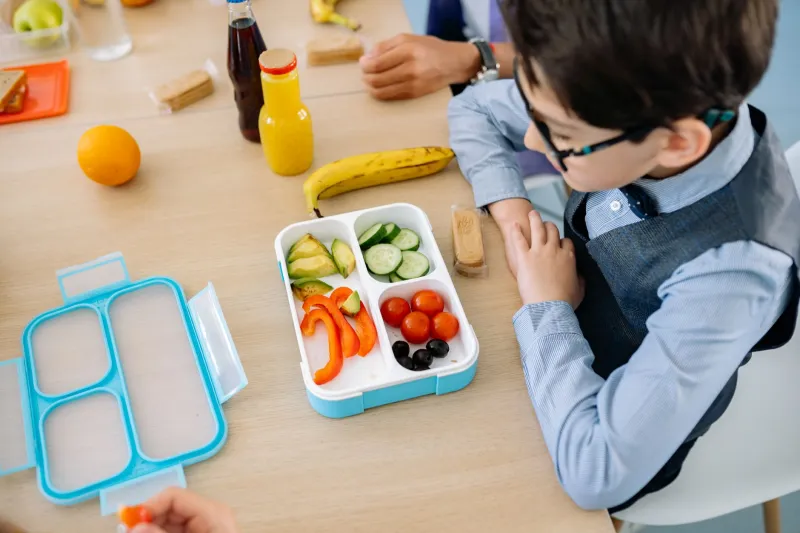
Somewhere in America right now, a parent is at 10 PM cutting cucumber rounds into star shapes, portioning blueberries into a silicone divider tray, and wondering whether the sunflower seed butter they bought is technically nut-free enough for their kid's classroom. The lunch is due in eight hours. The anxiety started three days ago.
This is not how it used to work.
The Lunch That Needed No Strategy
For most of the twentieth century, the American packed lunch was a study in functional minimalism. A sandwich — white bread, deli meat, maybe a smear of mustard — a piece of fruit that may or may not have survived the ride in a paper bag, a cookie from a box, and a thermos of milk or juice. Done. No one photographed it. No one worried about the glycemic index of the bread. No teacher sent home a note about the sodium content of the ham.
Mothers in the 1950s and 60s packed lunches the way they did everything else domestic: efficiently, without much ceremony, and with the reasonable assumption that a child who ate something at noon would survive until dinner. The lunch wasn't a statement. It was fuel.
School cafeterias of the era weren't much more sophisticated. The National School Lunch Program, launched in 1946, was originally designed to address child malnutrition — a genuine public health concern in the postwar years. The goal was calories. Enough of them, reliably delivered. Nutrition science as we understand it today barely existed. A hot meal with protein and a carbohydrate was considered a success.
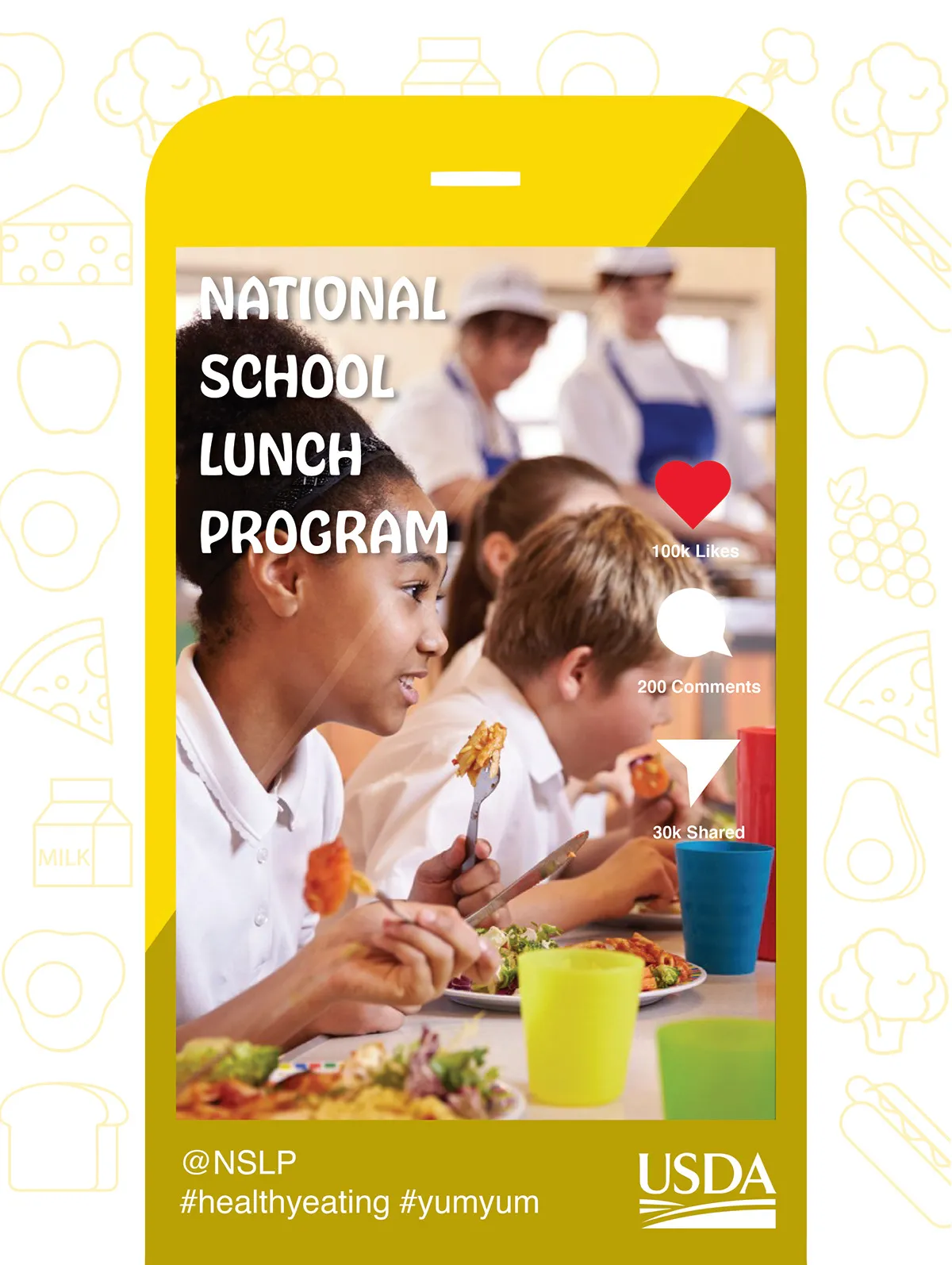 Photo: National School Lunch Program, via mir-s3-cdn-cf.behance.net
When Nutrition Science Changed the Conversation
Things began shifting in the 1970s and 80s as research into diet and long-term health outcomes started filtering into public consciousness. The relationship between childhood diet and adult disease — heart disease, obesity, diabetes — became harder to ignore. The food industry was simultaneously flooding the market with processed options that were cheap, shelf-stable, and aggressively marketed to kids. Fruit Roll-Ups. Lunchables. Capri Sun. The packed lunch got more convenient and, by most nutritional measures, worse.
By the 1990s, a cultural counter-reaction was building. Parenting magazines began running features on "smart" lunch choices. Pediatricians started handing out dietary guidance pamphlets. The organic food movement, still niche in the early part of the decade, began making its way into the mainstream conversation about what children should eat.
And then came the allergies.
The Allergy Era Changes Everything
The rise in diagnosed food allergies — particularly peanut allergies — fundamentally restructured the social contract around school lunch. By the early 2000s, peanut-free classrooms had become standard in many districts. The packed lunch, once a private matter between a parent and a child, became subject to community-level scrutiny. What you sent in your kid's bag now had implications for other people's kids.
This was a legitimate and necessary shift. Severe allergies are real, and the consequences of cross-contamination can be life-threatening. But it also introduced something new into the packed lunch experience: the parent as compliance officer. Suddenly, choosing what to pack required knowledge of your child's classroom policies, awareness of other students' specific allergies, and the ability to navigate a food landscape where "may contain traces of" warnings appear on everything from crackers to raisins.
The cognitive load of the school lunch had quietly tripled.
The Instagram Era Finishes the Job
If the allergy era added anxiety, the social media era added performance. The bento box aesthetic — compartmentalized, colorful, architecturally arranged — arrived in American parenting culture in the early 2010s and never left. Pinterest boards dedicated to school lunch ideas accumulated millions of followers. Accounts on Instagram featured lunches that looked less like midday nutrition and more like edible art installations.
The subtext wasn't subtle: a thoughtfully packed lunch was evidence of a thoughtful parent. A sandwich in a Ziploc bag, by contrast, started to feel like a confession.
Food bloggers and parenting influencers built audiences around the lunch box. Specialty containers — the right bento box, the leak-proof thermos, the reusable ice pack that also happened to be aesthetically pleasing — became their own category of parenting consumer goods. The lunch had become a product, and the parent had become its designer.
Is Any of This Actually Making Kids Healthier?
It's a fair question, and the answer is genuinely complicated. On one hand, greater awareness of nutrition has had real effects. Consumption of trans fats dropped dramatically after public health campaigns and regulatory changes in the 2000s. More families are reading labels. The conversation around ultra-processed food and its long-term health effects has real scientific backing.
On the other hand, research on childhood nutrition anxiety suggests that the pressure-cooker environment around food can backfire. Studies have linked parental anxiety about food to picky eating, disordered eating patterns, and a fraught relationship with mealtimes in children. When lunch becomes a performance, the child absorbs that stress too.
There's also a class dimension worth naming. The organic, allergen-aware, Instagram-ready lunch is expensive and time-intensive. Families with limited budgets and limited hours don't have the option to agonize over sunflower seed butter vs. almond butter. The performance of the elevated lunch box is, at least partly, a display of economic privilege — and it quietly shames families who are simply trying to make sure their kid has something to eat.
What the Lunch Box Actually Tells Us
The transformation of the American packed lunch from a forgettable daily habit into a loaded cultural ritual reflects something bigger than food. It reflects a broader shift in how American society has come to define good parenting — as a form of constant, visible optimization. Every choice is legible. Every choice is evaluated. And the lunch box, sent out into the world five days a week, has become one of the most public surfaces on which that performance plays out.
The bologna sandwich wasn't aspirational. But it also wasn't a test. And there might be something worth recovering in that.