When Lunch Smelled Like Real Food: The Quiet Death of the Scratch-Cooked School Cafeteria
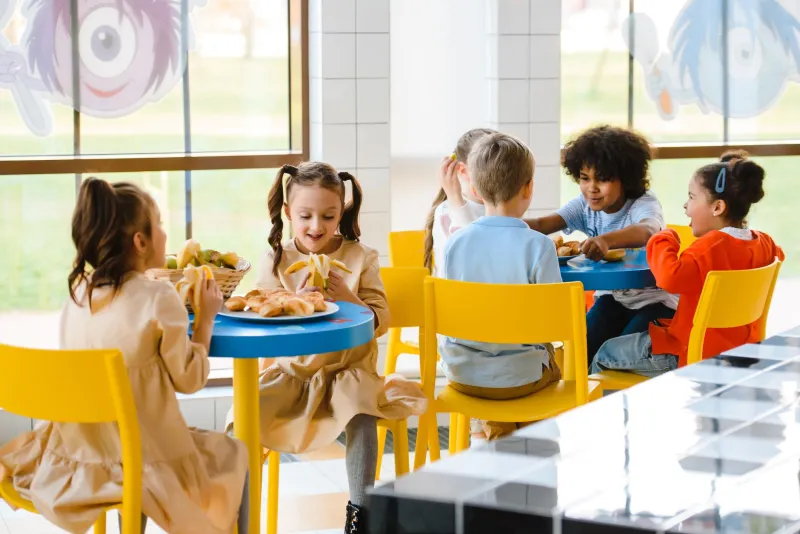
Walk into most American school cafeterias today and you'll notice something missing. It's not the food exactly — there's plenty of that. What's missing is the smell. The kind of smell that meant someone had been cooking since early morning. The kind that meant lunch was actually made, not reheated.
For most of the 20th century, that smell was standard issue. Now it's practically a museum piece.
What School Lunch Actually Used to Look Like
The National School Lunch Program launched in 1946, and for its first few decades it ran on a pretty simple premise: feed kids real food. Cafeteria workers — often called "lunch ladies," though the job was far more skilled than that nickname suggests — arrived before dawn to prep vegetables, cook proteins from scratch, and bake bread on-site. Many schools sourced produce from local farms. Menus varied by region, by season, and by whoever was running the kitchen.
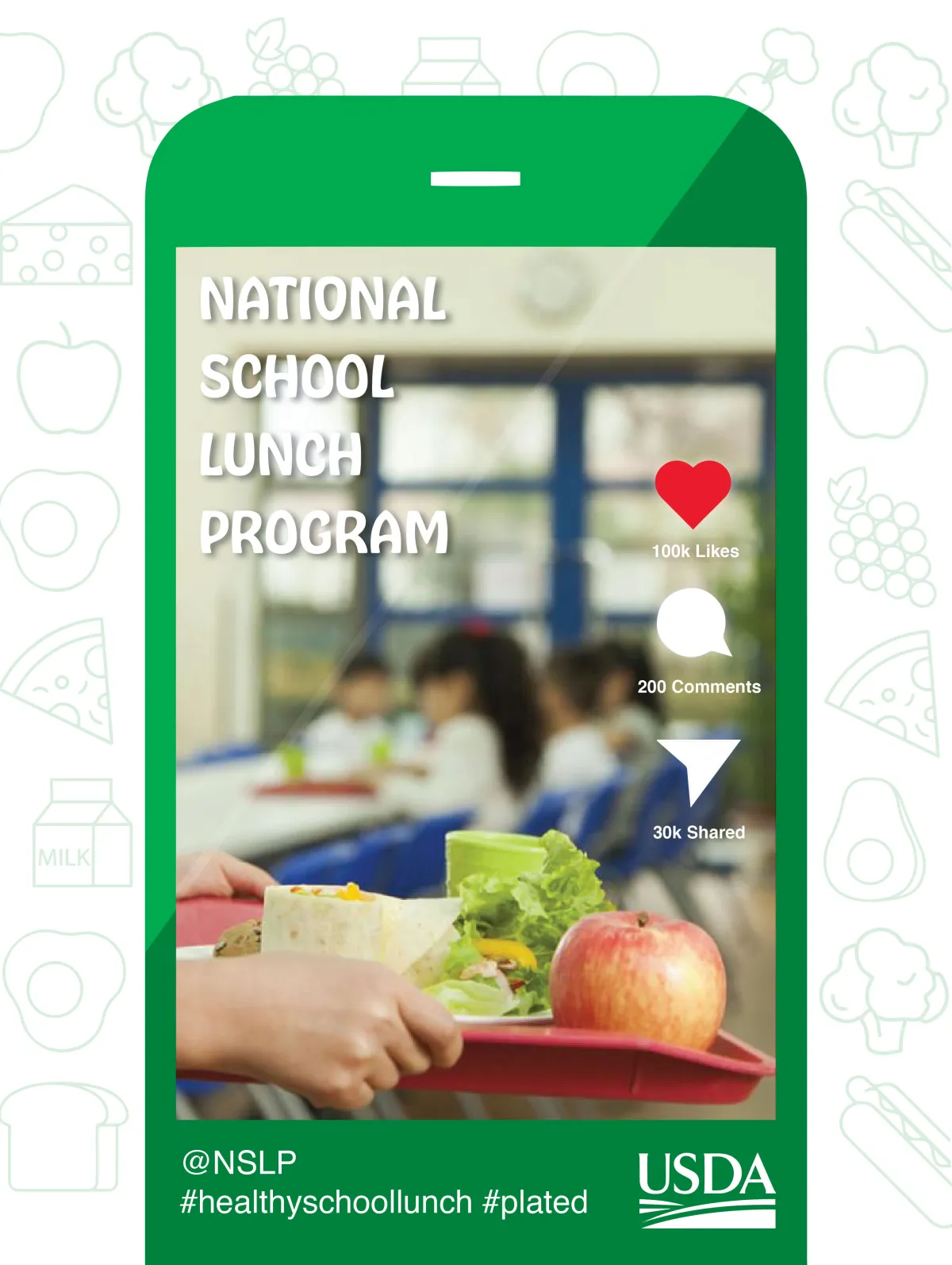 Photo: National School Lunch Program, via mir-s3-cdn-cf.behance.net
In the 1950s and '60s, a school lunch might mean beef stew with fresh rolls, roasted chicken with green beans, or a bowl of homemade soup alongside a grilled cheese sandwich. These weren't gourmet meals, but they were cooked by human hands using recognizable ingredients. The cafeteria staff knew the kids' names. They knew who was allergic to what. There was a social texture to the whole thing that went beyond calories.
Cost-wise, it was remarkably affordable — not because the food was cheap, but because the infrastructure was built around efficiency and community investment rather than profit margins.
Where It Started to Unravel
The shift didn't happen overnight. It crept in through a series of decisions that each made sense in isolation but added up to something significant.
The first big turn came in the 1970s and '80s, when the federal government began channeling surplus agricultural commodities — things like processed cheese, canned meats, and bulk grain products — into school lunch programs. The logic was sound enough: reduce farm surpluses, feed kids, save money. But it quietly rewired what school kitchens were working with. Instead of building menus around fresh ingredients, they were now building around whatever the USDA had in excess that month.
Then came the budget cuts. As school districts faced tighter finances through the '80s and '90s, cafeteria operations became targets. Cooking from scratch required trained staff, functional kitchen equipment, and time. Frozen and pre-packaged meals required almost none of that. A school could serve 400 kids with a fraction of the labor if everything arrived in a bag that just needed reheating. The math was brutal and simple.
By the early 2000s, many school kitchens had been stripped down to what food service professionals call "heat and serve" operations. The ovens were still there, but they weren't really cooking anymore. They were warming.
What's Actually on the Tray Today
The modern school lunch is a product of industrial food supply chains in ways that would have been unrecognizable to a 1955 cafeteria worker. Chicken nuggets made from mechanically separated poultry. Pizza built on enriched flour crusts with sauce from concentrate. Packaged fruit cups swimming in syrup. Chocolate milk with more sugar per serving than many sodas.
This isn't universally true — there are districts doing remarkable things with farm-to-school programs and scratch cooking revivals. But they're the exception. The average American school lunch today involves multiple layers of processing, extended shelf lives measured in months, and ingredient lists that require a chemistry background to fully parse.
Nutrition standards have actually tightened under federal rules updated in 2012 and again in recent years, requiring more whole grains, fruits, and vegetables. But meeting a nutrition checklist and serving genuinely nourishing food aren't always the same thing. A serving of canned corn technically counts. So does a side of apple slices next to a processed corn dog.
The Hidden Cost Nobody Talks About
There's an economic argument that the modern system is cheaper. And in a narrow, short-term sense, it is. Frozen trays cost less per unit than fresh ingredients prepared by skilled kitchen staff.
But that calculation ignores a few things. It ignores the long-term health costs of feeding children highly processed food through their most developmental years. It ignores what researchers have found linking better school nutrition to improved concentration, attendance, and academic performance. And it ignores something harder to quantify: the cultural loss of a shared meal that felt like someone cared enough to make it.
The lunch ladies of mid-century America weren't just cooking. They were part of the social fabric of a school. They remembered kids. They noticed when a child hadn't eaten. That kind of human attention doesn't show up in a cost-per-tray spreadsheet.
Signs the Pendulum Is Shifting
There's genuine momentum building around school food reform. Programs like the USDA's Farm to School initiative have helped thousands of districts reconnect with local producers. Cities like Detroit, Los Angeles, and New York have invested in scratch-cooking pilots that show real results — kids eating more vegetables when the food actually tastes like something.
Chefs like Ann Cooper, sometimes called the "Renegade Lunch Lady," have spent years making the case that feeding kids real food isn't a luxury — it's infrastructure. The same way we invest in textbooks and school buses, we should invest in kitchens that actually cook.
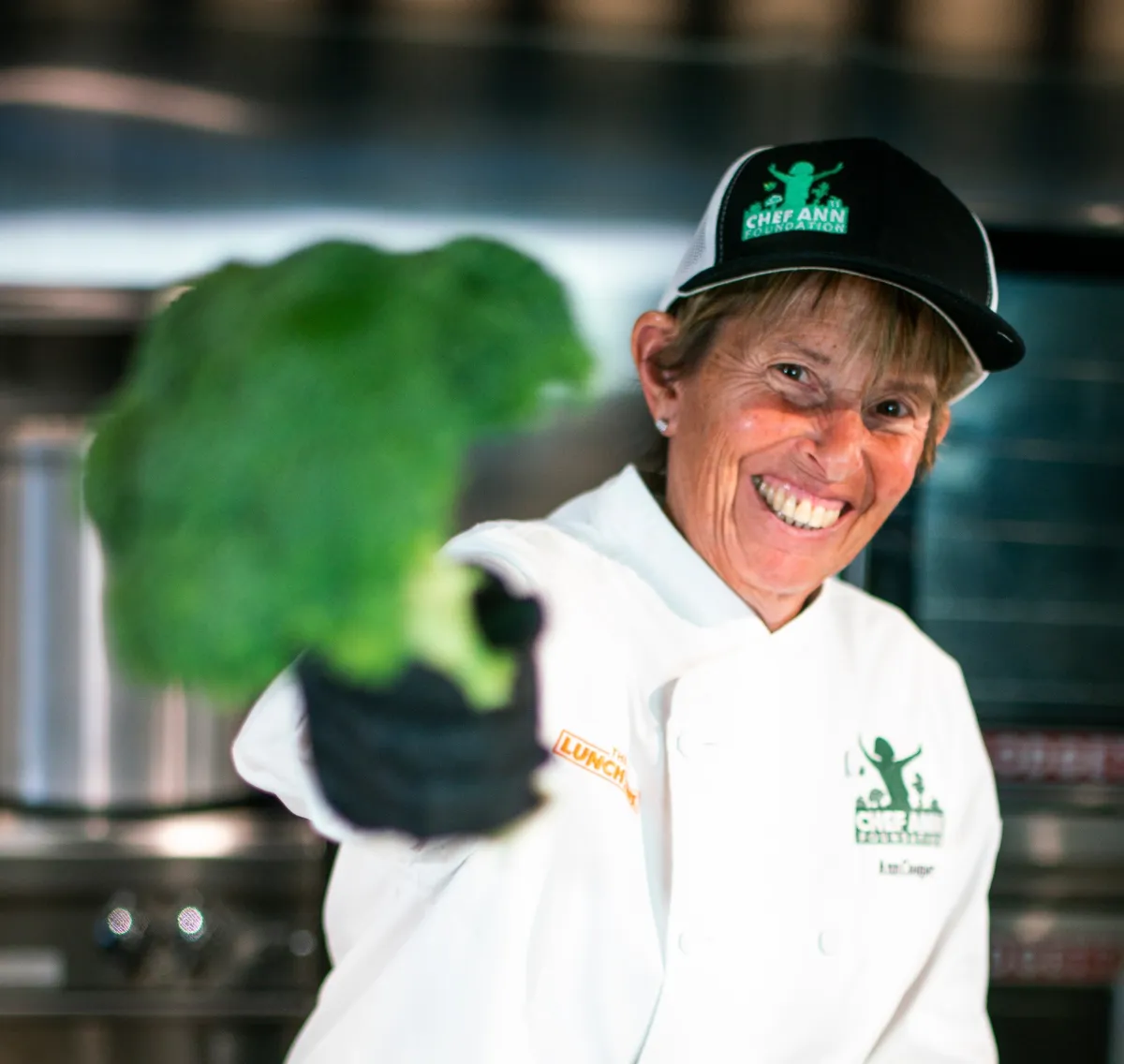 Photo: Ann Cooper, via storage.googleapis.com
It's slow going. The industrial food system has deep roots in school lunch contracts, and changing it requires money, political will, and a willingness to accept that cheap and good rarely mean the same thing.
But the fact that people are having this conversation at all suggests something important: we remember what school lunch used to smell like. And we know we've lost something worth getting back.