Fever Was Once the Enemy. Then Medicine Figured Out It Was Actually on Our Side.
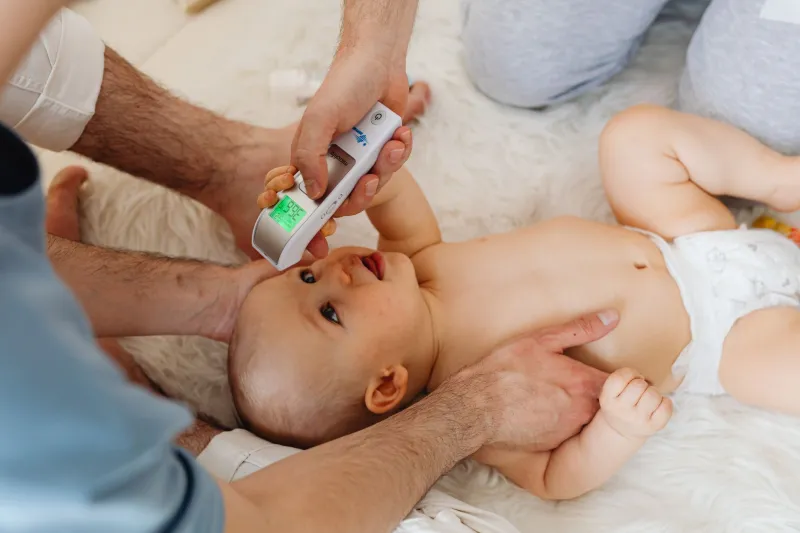
It's 2am. Your kid is burning up. You reach for the thermometer, then the children's Tylenol, then your phone to Google whether 102.4 is the number that requires an ER trip. The whole process takes maybe ten minutes and follows a protocol so familiar it feels instinctive.
None of it would have made any sense to an American parent 150 years ago. Back then, fever wasn't a symptom to be managed. It was a battle to be won — and the weapons were far more alarming than acetaminophen.
The Body as Battlefield
For most of recorded medical history, fever was understood as the illness itself rather than the body's response to one. Ancient frameworks of disease — the idea that sickness came from imbalances in the body's fundamental humors — positioned fever as a sign that something had gone dangerously wrong internally. The heat needed to come out, one way or another.
This thinking drove treatments that today would qualify as medical horror. Bloodletting — draining significant quantities of blood through cuts or leeches — was standard practice well into the 19th century. The logic was that removing blood would reduce the body's internal fire. In reality, it weakened already sick patients and contributed to deaths that the fever alone might not have caused. George Washington's death in 1799 is a famous example: already ill, he was subjected to multiple rounds of bloodletting in a single day, losing roughly 40% of his blood volume.
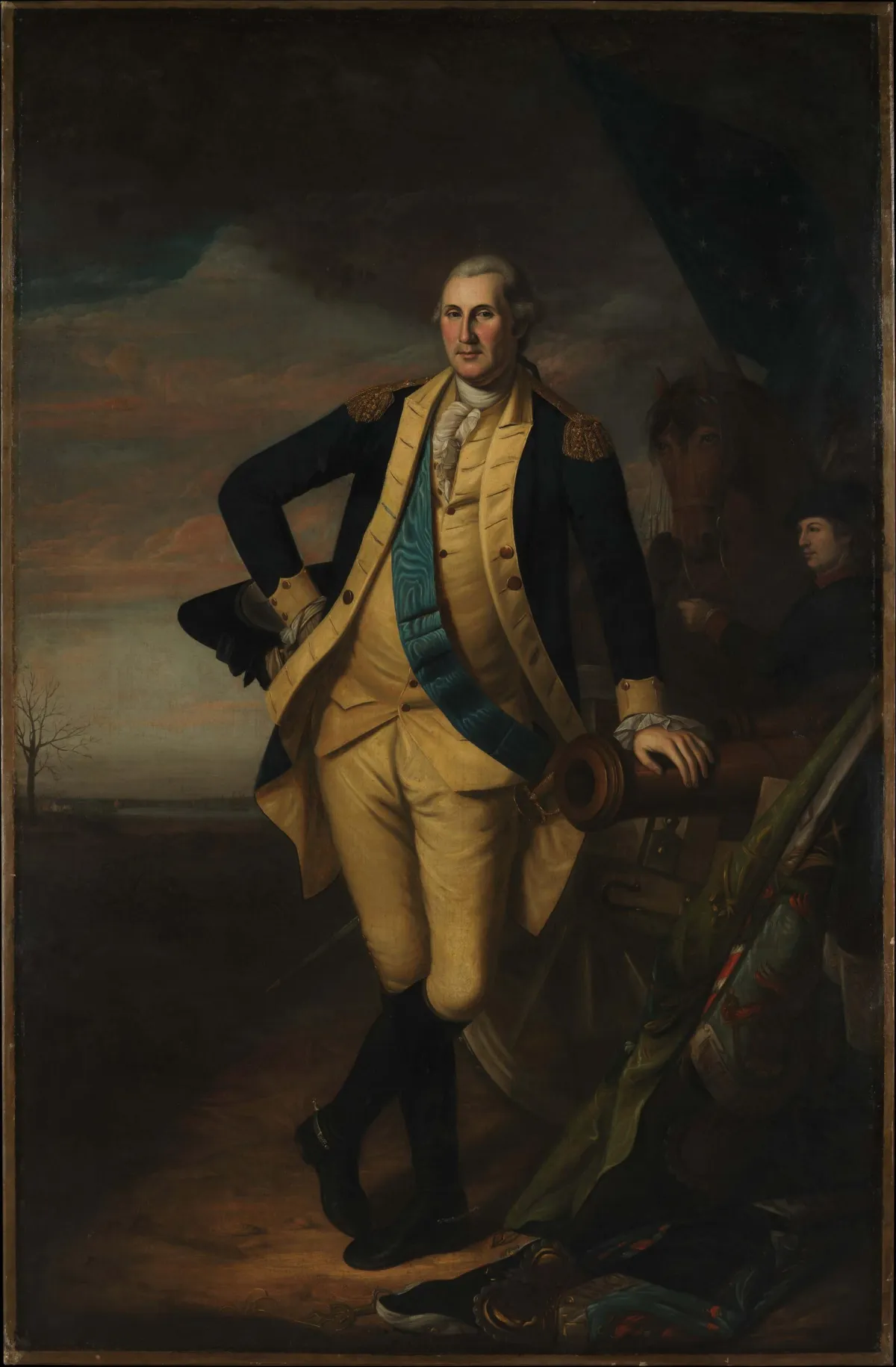 Photo: George Washington, via ca-times.brightspotcdn.com
Other approaches were only marginally less dangerous. Aggressive purging with mercury-based compounds was common. Ice baths — plunging a feverish patient into near-freezing water — were used well into the 20th century, particularly for children, despite causing dangerous shock responses. And then there was the whiskey approach: give the patient enough alcohol to sweat it out and sleep through the worst of it. This one persisted in folk medicine long after formal medicine moved on.
The Great Misread
What all of these treatments shared was a fundamental misunderstanding of what fever actually is.
A fever isn't a malfunction. It's a feature. When the immune system detects a pathogen — a bacteria, a virus, something the body identifies as a threat — it deliberately raises core temperature as a defensive response. Many pathogens replicate less efficiently at higher temperatures. Immune cells actually function better in a warmer environment. The fever is, in a very real sense, the body doing its job.
This understanding didn't arrive all at once. It built slowly through the 19th and 20th centuries as germ theory replaced humoral theory, as thermometers became standard diagnostic tools, and as researchers began studying what fever actually did at the cellular level. By the mid-20th century, the medical consensus had shifted meaningfully: fever was a symptom of illness, not the illness itself, and in most cases it was a sign the immune system was functioning, not failing.
That sounds obvious now. It was genuinely revolutionary at the time.
What Changed at the Bedside
The practical shift in how Americans treated fever at home tracked closely with two developments: the widespread availability of aspirin in the early 20th century, and later acetaminophen (Tylenol) in the 1950s, followed by ibuprofen in the '80s.
Suddenly there was a safe, accessible way to reduce fever without bloodletting or ice baths or alcohol. These drugs worked by interrupting the biochemical signals that told the brain to raise body temperature. They didn't cure the underlying illness, but they made the patient more comfortable while the immune system did its work.
This was genuinely transformative for home care. Parents now had a tool that was both effective and safe, which replaced an entire medicine cabinet of dangerous folk remedies. The whiskey-soaked cloth on the forehead became a punchline rather than a prescription.
The Overcorrection Nobody Talks About
Here's where it gets interesting. Once fever-reducing medications became easy to access, a new cultural instinct took hold: treat any fever, immediately, as a problem to be eliminated.
But the science is more nuanced than that. Current medical guidance — from the American Academy of Pediatrics and others — doesn't recommend treating every fever automatically. A low-grade fever in an otherwise healthy child may not need medication at all. The fever is working. Suppressing it too aggressively might actually slow the immune response.
 Photo: American Academy of Pediatrics, via iprsoftwaremedia.com
The threshold that matters isn't just the number on the thermometer. It's the whole picture: how the child is behaving, whether they're hydrated, their age, and how long the fever has lasted. A 103°F fever in a child who's playing and drinking fluids is a different situation than the same temperature in an infant under three months old, which is a genuine emergency.
Modern fever management is less about the number and more about the context — a sophistication that would have been incomprehensible to a 19th-century physician who saw any elevated temperature as something to attack immediately.
The 2am Calculation Has Changed Completely
Today's middle-of-the-night fever response looks almost nothing like it did even 70 years ago. Parents have access to accurate digital thermometers, age-appropriate dosing charts, pediatric nurse hotlines, and telehealth options that can provide professional guidance without an ER trip. The default response has shifted from panic and aggressive intervention to informed monitoring.
That shift represents one of the quieter revolutions in everyday American health. Not a dramatic surgical breakthrough or a miracle drug — just a fundamental reorientation in how we understand what our bodies are doing when they get sick.
The fever was never the enemy. It just took medicine a few thousand years to figure that out.