The Brown Bag Lunch Had a Good Run. Then Washington Showed Up.
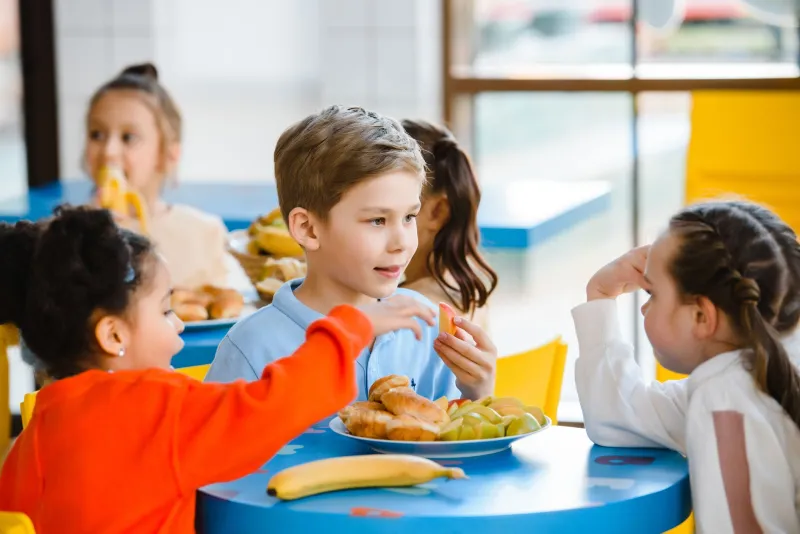
Somewhere around 1952, a kid in Ohio or Kansas or rural Georgia would have pulled a paper bag out of their school desk around noon, unwrapped a wax paper sandwich — probably bologna, maybe peanut butter — grabbed an apple their mom had tossed in, and eaten at their desk or in a gymnasium that doubled as a lunchroom. No nutritional labels. No calorie counts. No federal guidelines. No debate on cable television.
Just lunch.
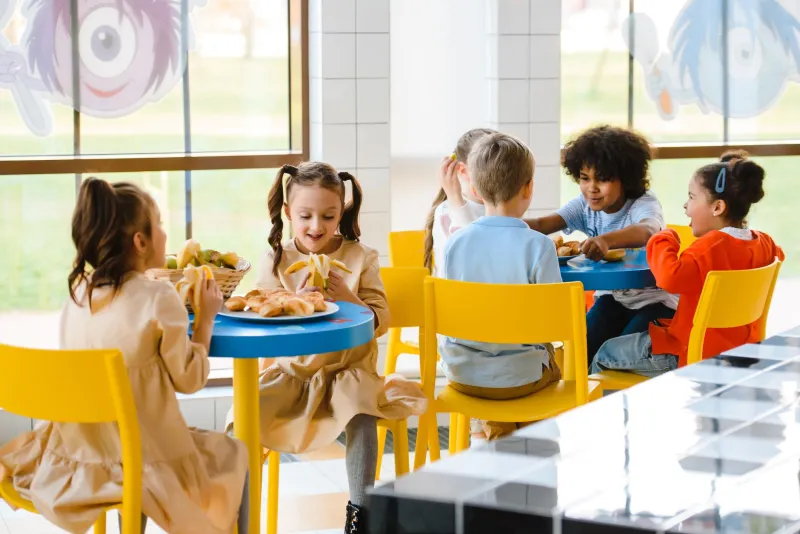
The American school lunch has traveled an almost unbelievable distance from that paper bag. Today it's a federally funded, USDA-regulated program serving roughly 30 million children daily, subject to congressional legislation, lobbying from the food industry, activism from celebrity chefs, heated arguments about what counts as a vegetable, and genuine political battles that have toppled school board members. A 1950s cafeteria worker would need a significant briefing just to understand what the job involves now.
How a midday meal became a national institution is a story worth understanding — because it starts not with nutrition science, but with war.
The Army Discovered America Had a Hunger Problem
The National School Lunch Program was signed into law by President Harry Truman in 1946, and its origin story is not what most people expect.
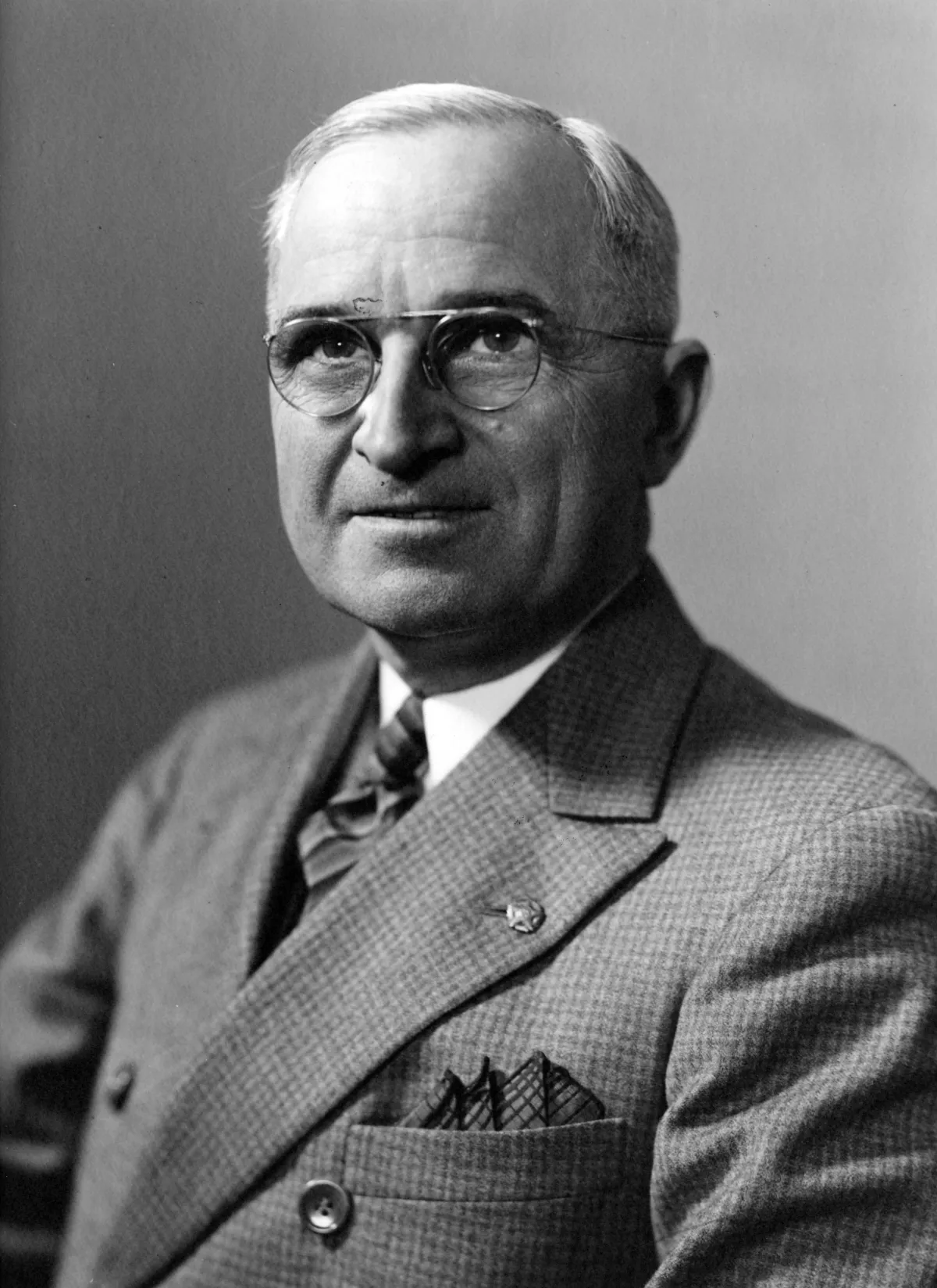 Photo: Harry Truman, via i0.wp.com
During World War II, military officials were shocked by the physical condition of many young American men showing up for induction. Significant numbers were rejected as unfit for service — and malnutrition was a major contributing factor. This wasn't just a rural poverty problem or a Depression-era holdover. It was widespread enough to alarm military planners who needed bodies capable of fighting.
The response wasn't purely humanitarian. It was strategic. A well-fed civilian population meant a more capable military. The school lunch program was framed explicitly in national security terms — Congress passed it as part of a defense authorization structure, not as a social welfare measure.
That framing mattered. It gave the program political cover it might not have had otherwise. Feeding poor children was a harder sell in 1946 than ensuring America could field a capable army.
The program that emerged was straightforward: the federal government would subsidize meals served in public schools, with the USDA helping to absorb agricultural surpluses by routing commodity foods — butter, cheese, canned goods — into school cafeterias. It was simultaneously a child nutrition initiative and a farm support program. That dual nature has shaped the program's politics ever since.
What Lunch Actually Looked Like in the 1950s and 1960s
The early cafeteria experience was modest by almost any measure. A typical school lunch in the 1950s might include a small serving of meat or a hot dish made with ground beef, canned vegetables, white bread with butter, a carton of whole milk, and possibly a simple dessert. The caloric content was substantial — these were meals designed to fuel children through an afternoon of physical activity in a world where many kids walked to school and played outside after.
Nobody was counting sodium milligrams. Nobody was worrying about trans fats. The goal was calories and protein, and the standard was whether kids ate it, not whether it met a micronutrient profile.
For kids whose families packed lunches from home, the gap wasn't dramatic. A homemade sandwich, a piece of fruit, maybe some cookies — it was a similar nutritional universe, just assembled in a kitchen rather than a cafeteria.
The notion that school lunch was a site of political contestation, public health intervention, or cultural identity would have seemed genuinely strange.
How Lunch Got Complicated
The program expanded through the 1960s and 1970s, adding free and reduced-price meal options for lower-income students as the War on Poverty brought new attention to childhood hunger. By the late 1970s, the USDA was setting minimum nutritional requirements — a certain number of components per meal, specific portion sizes.
Then came the infamous 1981 moment that still gets cited in food policy discussions: the Reagan administration's proposed budget cuts to the school lunch program included a provision that briefly classified ketchup and pickle relish as vegetables for the purpose of meeting nutritional requirements. The public backlash was swift and bipartisan. The proposal was withdrawn, but it crystallized something important: school lunch had become a proxy battle for much larger arguments about government's role in feeding citizens, what counted as food, and whose children the system was actually designed to serve.
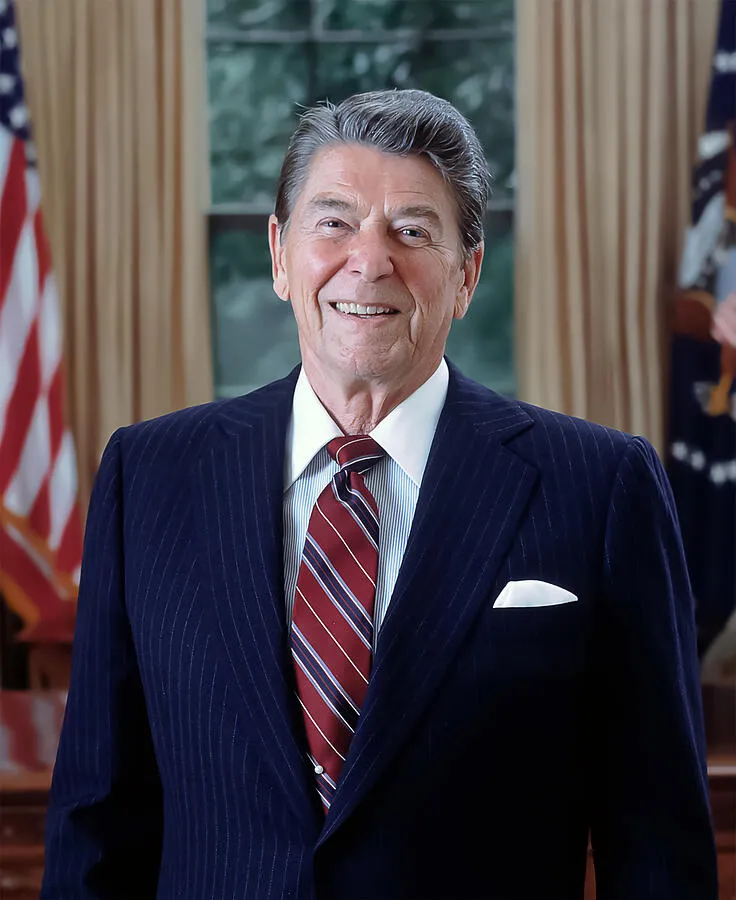 Photo: Ronald Reagan, via images.fineartamerica.com
The 1990s and 2000s brought a wave of concern about childhood obesity that fundamentally changed how school lunch was discussed. Where the original program had been worried about children getting enough, the new conversation was about children getting too much of the wrong things. Vending machines selling soda and chips in school hallways became a political flashpoint. Fast food contracts with school districts drew protests.
Then Michelle Obama's Let's Move campaign and the Healthy, Hunger-Free Kids Act of 2010 overhauled nutritional standards significantly — more whole grains, more fruits and vegetables, lower sodium, stricter calorie limits. The rollout was genuinely contentious. Some students and school districts complained that the new meals were smaller, less appealing, and that participation dropped. Others pointed to real improvements in nutritional quality. The debate was loud, polarized, and deeply American.
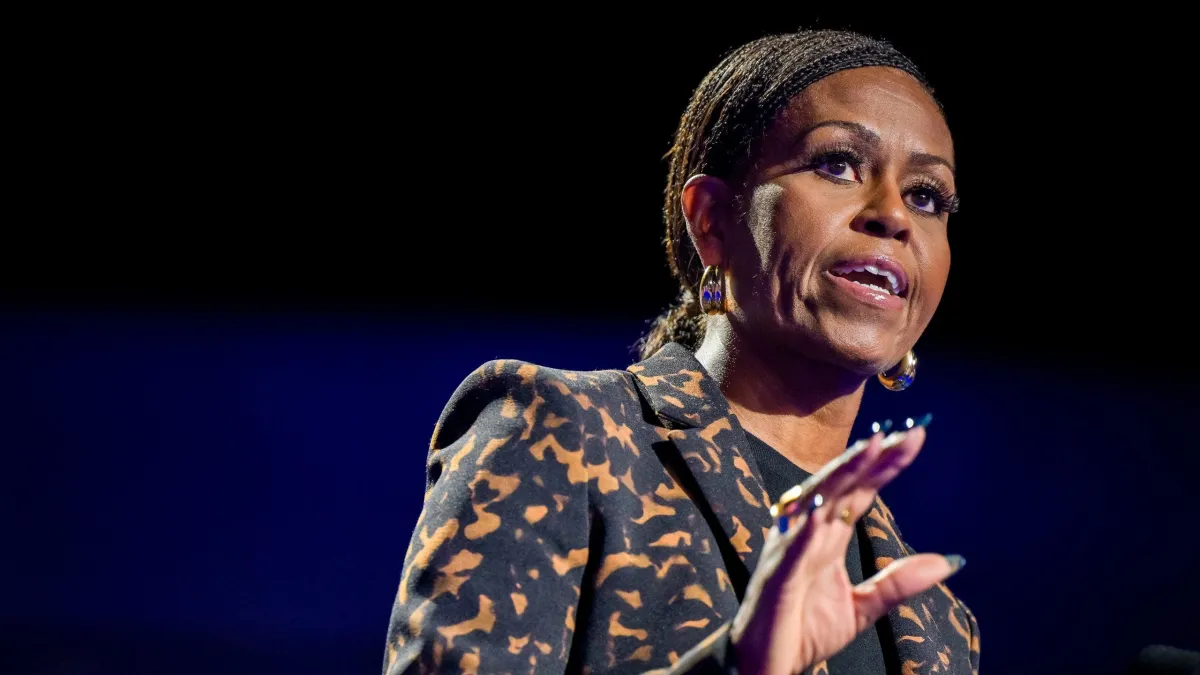 Photo: Michelle Obama, via static.foxnews.com
Thirty Million Meals and a Question About What They Mean
Today's school lunch program operates at a scale the 1946 Congress couldn't have fully imagined. During the COVID-19 pandemic, the program briefly expanded to provide free meals to all students regardless of income — a policy change that revealed just how deeply embedded school lunch had become in the daily food security of millions of American families.
The political arguments haven't quieted. Debates about universal free school meals, about whether chocolate milk belongs in cafeterias, about processed food contracts, about what religious or dietary accommodations schools must make — all of it continues at the local, state, and federal level simultaneously.
The brown bag from home hasn't disappeared. But it's now a choice — and for many families, a privilege — in a system where lunch has become something the country actively argues about.
The kid in 1952 just wanted to eat his bologna sandwich. He had no idea he was sitting at the beginning of something this complicated.