When the Doctor's Hands Were the Lab: How Medicine Traded Touch for Technology
When the Doctor's Hands Were the Lab: How Medicine Traded Touch for Technology
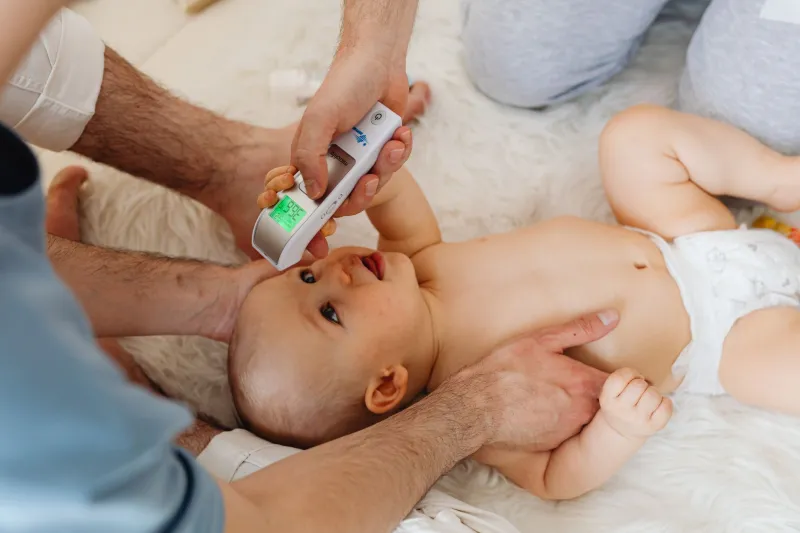
There was a time when a good doctor could walk into a room, shake your hand, glance at your eyes, press two fingers beneath your jawline, and have a working theory before you'd even finished describing your symptoms. No blood panel. No imaging order. No specialist referral sitting in a pile on someone's desk.
That era is largely gone. And depending on who you ask, medicine either got a whole lot better — or lost something it may never fully recover.
The Art of Reading a Body
For most of medical history, the physician's primary instrument was the physician. Trained over years of direct patient contact, doctors developed what could only be described as a kind of clinical sixth sense. They looked at the color of your skin, the texture of your nails, the way you held your shoulders when you breathed. They smelled your breath — which could indicate everything from diabetes to liver failure. They listened to your heart and lungs with a stethoscope pressed directly to their ear, interpreting rhythms the way a musician hears a wrong note.
This wasn't folk medicine or guesswork. It was a highly developed system built on pattern recognition, accumulated experience, and intimate familiarity with the human body. Physicians in the early-to-mid twentieth century spent years in residency developing these skills, and the best of them were genuinely remarkable diagnosticians.
A doctor who had practiced for thirty years might recognize a thyroid problem from across the waiting room. Jaundice. Anemia. Early signs of heart failure. The physical exam was the entire diagnostic engine, and it ran on human judgment.
What Was Genuinely Dangerous About That Approach
Here's the part that's easy to romanticize away: a lot of those diagnoses were wrong.
Without lab confirmation, a skilled doctor's confident assessment could be a confident mistake. Conditions that present similarly — dozens of infections that produce the same fever and fatigue, cancers that mimic benign issues for years — were routinely misidentified. Patients were treated for one thing while something else quietly progressed. Women and Black patients were particularly failed by a system that relied on the physician's intuition, because that intuition was shaped by bias as much as biology.
The physical exam, for all its elegance, had a ceiling. And for certain conditions, that ceiling was dangerously low.
When the Machines Arrived
The shift began slowly and then accelerated dramatically after World War II. Blood chemistry panels, X-rays, ECGs, and eventually CT scans and MRIs gave physicians objective windows into the body that no amount of bedside skill could replicate. A doctor could now see a tumor too small to palpate. Could measure a hormone level that no external sign would reveal. Could catch a cardiac arrhythmia that would have been completely invisible to the stethoscope.
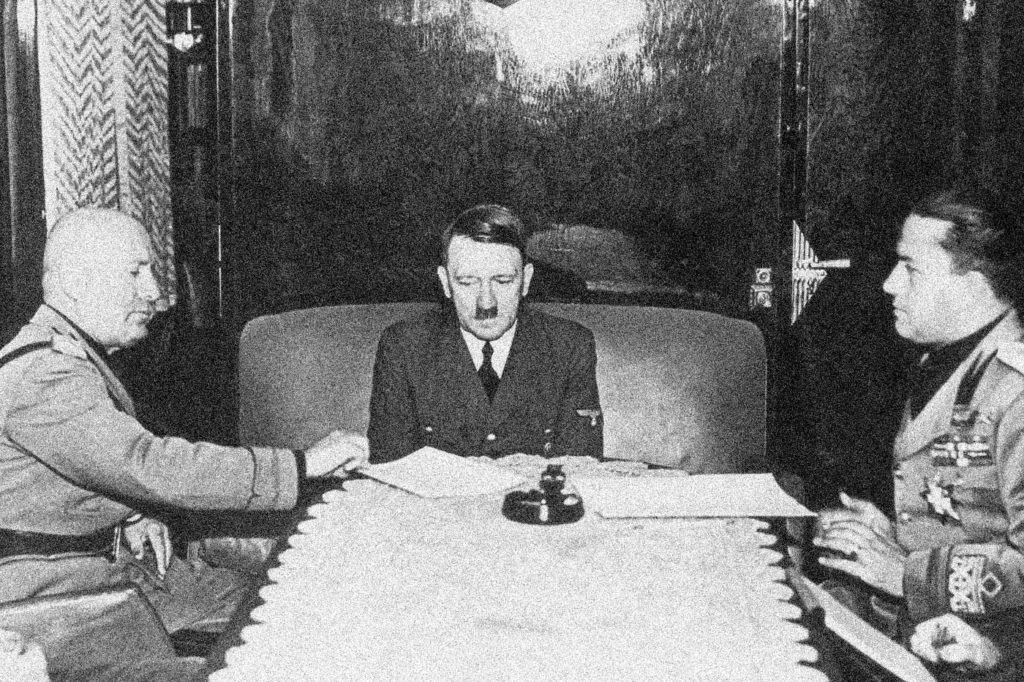 Photo: World War II, via www.worldwar2facts.org
The results were undeniably transformative. Survival rates for conditions that were once near-certain death sentences — certain cancers, heart disease, bacterial infections — improved dramatically. Early detection became not just possible but routine. Medicine moved from reactive to preventive in ways that genuinely extended millions of lives.
But something else happened alongside all of that progress. The physical exam started shrinking.
The Exam That Stopped Happening
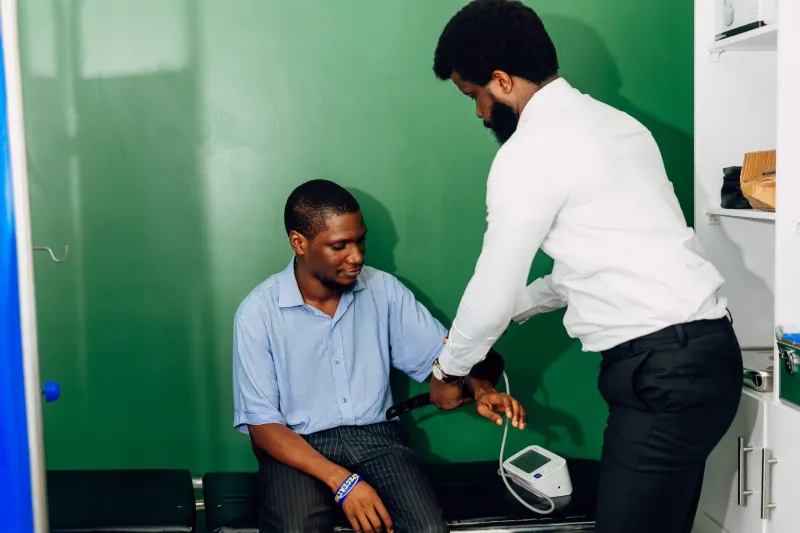
Studies in recent years have found that the average primary care visit in the United States lasts somewhere between fifteen and eighteen minutes. In that window, a physician is expected to review your chart, address your concerns, navigate an electronic health record system, and satisfy a battery of documentation requirements for insurance billing. The hands-on component — actually touching, observing, and physically assessing the patient — has been quietly squeezed to the margins.
 Photo: United States, via cdn.britannica.com
Some medical educators have raised the alarm. A 2021 survey of internal medicine residency programs found that physical examination teaching had declined significantly over the previous two decades, with many residents graduating without confidence in basic bedside skills. When tests can confirm what an exam might only suggest, the incentive to develop examination skill fades.
The result is a kind of diagnostic dependency. Uncertain about what you're hearing in someone's lungs? Order a chest X-ray. Not sure if that lymph node is concerning? Send for an ultrasound. It's safer, legally defensible, and requires no years of tactile training. But it also turns every diagnostic question into a waiting game — and a billing event.
What Gets Lost in the Translation
Physicians who trained in earlier eras often describe something that's difficult to quantify but easy to feel as a patient: the sense that the doctor was reading you, not processing you. The physical exam was also a form of communication. Being touched, assessed, and evaluated by someone who was fully present in the room with you had a therapeutic quality that no lab result can replicate.
There's growing research to support this intuition. Studies on the therapeutic value of the clinical encounter — what researchers sometimes call the "healing relationship" — suggest that patients who feel genuinely examined report higher satisfaction, better medication adherence, and even improved outcomes. The physical exam wasn't just diagnostic. It was relational.
Some physicians are pushing back. A movement sometimes called "clinical medicine" or "bedside medicine" revival has gained quiet traction in certain teaching hospitals, with senior physicians reasserting the value of the full physical exam as a complement to — not a replacement for — modern testing.
A Different Kind of Knowing
The honest answer is that both eras got something right and something wrong. The old model produced gifted diagnosticians who were also capable of enormous blind spots. The new model produces precise test results that can still miss the forest for the trees — because no panel measures the exhaustion behind someone's eyes or the way they wince when they think you're not looking.
What's shifted isn't just technology. It's the locus of trust. We used to trust the doctor's judgment. Now we trust the number on the screen. And while that number is often more reliable, it has also made medicine feel less like a conversation and more like a transaction.
Somewhere between the handshake and the blood panel, there's probably a better version of both. Medicine is still working out how to find it.