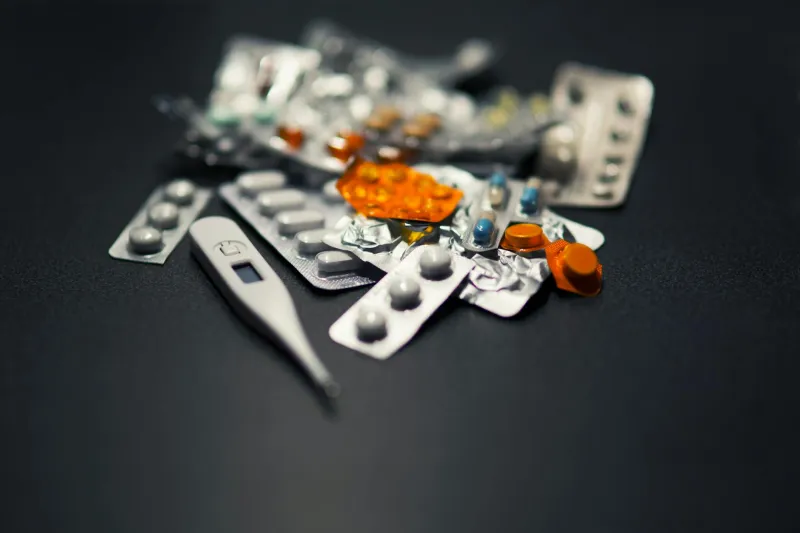
The Corner Drugstore Miracle Cure
Walk into any American drugstore in 1952, and you could buy penicillin right off the shelf. No doctor's visit. No prescription. No questions asked. The miracle drug that had saved countless lives during World War II sat next to the aspirin and cough drops, available to anyone with pocket change and a sniffle.
This wasn't some regulatory oversight—it was the norm. Antibiotics were treated like any other over-the-counter remedy, and Americans embraced them with the enthusiasm of a nation that had just discovered fire. Got a cold? Take some penicillin. Feeling run down? A few antibiotic pills couldn't hurt. Planning surgery? Better stock up on the wonder drugs, just in case.
The attitude was understandable. These medications had literally changed the world, transforming deadly infections into minor inconveniences. Why wouldn't you want easy access to such miraculous treatments?
When Doctors Handed Out Antibiotics Like Halloween Candy
Even when prescriptions became more common in the late 1950s, getting antibiotics remained laughably easy. Doctors prescribed them for everything—viral infections, minor cuts, preventive care before dental work, even general malaise. The philosophy was simple: when in doubt, throw some penicillin at it.
Dr. Robert Chen, who practiced family medicine in suburban Chicago during the 1960s, remembers those days clearly. "We gave antibiotics for everything," he recalls. "Parents expected them. If a kid had a runny nose, mom wanted antibiotics. If we didn't prescribe them, families would find a doctor who would."
 Photo: Dr. Robert Chen, via www.trinityfuneralhome.ca
The numbers tell the story. In 1960, the average American consumed roughly twice as many antibiotic doses per year as they do today, despite having access to far fewer varieties. Doctors wrote antibiotic prescriptions for an estimated 80% of upper respiratory infections—most of which were viral and completely unresponsive to antibacterial treatment.
The Livestock Revolution Nobody Talked About
While Americans were popping penicillin for paper cuts, something even more dramatic was happening on farms across the country. Starting in the early 1950s, farmers discovered that adding low doses of antibiotics to animal feed made livestock grow faster and stay healthier in crowded conditions.
By 1970, American agriculture was using more antibiotics than all of American medicine combined. Cattle, pigs, and chickens consumed millions of pounds of the same drugs that hospitals relied on to fight life-threatening infections. The practice was so widespread that some antibiotics became more associated with animal feed than human medicine.
Nobody worried about consequences. The drugs seemed limitless, and pharmaceutical companies were developing new ones faster than bacteria could adapt. Or so everyone thought.
The Day the Music Stopped
The first cracks in antibiotic confidence appeared in hospitals during the 1970s. Doctors began encountering infections that didn't respond to standard treatments. Staph bacteria that laughed at penicillin. Pneumonia that ignored multiple drug cocktails. Surgical site infections that turned routine procedures into life-threatening emergencies.
The medical community slowly realized what microbiologists had been warning about for years: bacteria evolve. Every dose of antibiotic creates evolutionary pressure, favoring the hardy bugs that can survive the chemical assault. The more antibiotics you use, the faster resistant strains emerge and spread.
By the 1980s, the party was clearly over. Methicillin-resistant Staphylococcus aureus (MRSA) was spreading through hospitals. Tuberculosis was making a comeback in drug-resistant forms. The wonder drugs that had seemed invincible were losing their power.
Today's Antibiotic Fortress
Fast-forward to today, and getting antibiotics feels like breaking into Fort Knox. That sinus infection that would have earned you a penicillin prescription in 1965? Now you'll wait two weeks for an appointment, only to be told it's probably viral and you should try rest and fluids.
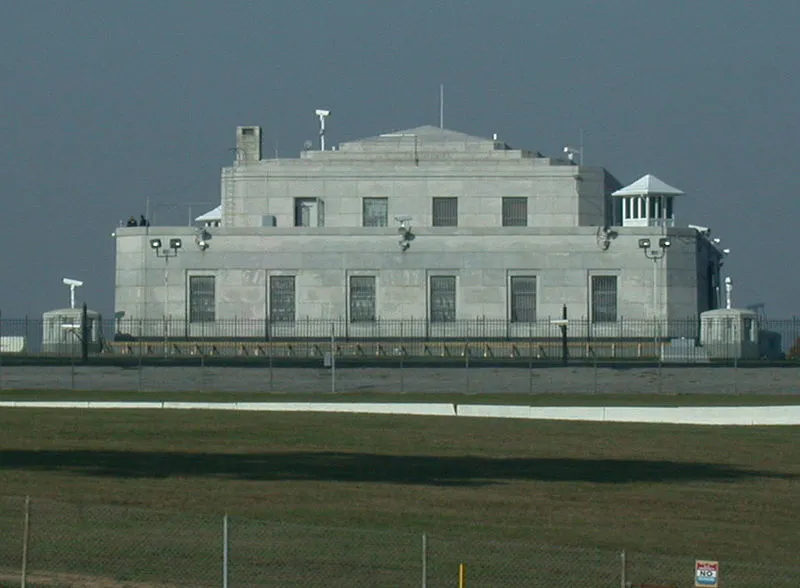 Photo: Fort Knox, via 1.bp.blogspot.com
Modern doctors practice "antibiotic stewardship"—carefully rationing these drugs to preserve their effectiveness. Electronic medical records flag patients who've had recent antibiotic courses. Pharmacists question prescriptions that seem inappropriate. Some hospitals employ full-time specialists whose only job is monitoring antibiotic use.
The average American now takes about half as many antibiotic courses per year as their grandparents did, despite having access to dozens of different formulations. Getting antibiotics for prevention—once routine before dental work or minor surgery—now requires specific medical justification.
The Price of Our Antibiotic Binge
The consequences of America's antibiotic free-for-all are still unfolding. The CDC estimates that antibiotic-resistant infections kill at least 35,000 Americans annually—more than car accidents. Diseases that were nearly extinct, like tuberculosis, have returned in forms that resist multiple drugs.
Simple infections that would have been easily treatable in 1960 now sometimes require hospitalization and intravenous medications that cost thousands of dollars. Some patients face infections that resist every available antibiotic, forcing doctors to use experimental treatments with serious side effects.
The agricultural legacy is equally sobering. Decades of routine antibiotic use in livestock created reservoirs of resistant bacteria that can jump to humans through food, water, or direct contact. Some of the most dangerous antibiotic-resistant infections now circulating originated on farms.
The Irony of Progress
Today's careful antibiotic rationing represents both medical progress and a kind of defeat. We understand these drugs better than ever before, but we've lost the casual confidence that once made them feel limitless. The very success of antibiotics—their ability to quickly cure previously fatal infections—created the conditions for their own downfall.
Young doctors now train in a world where antibiotic resistance is a daily concern, where prescribing decisions require careful consideration of not just individual patients but entire communities. They're taught to view antibiotics as precious resources to be conserved, not convenient solutions to be deployed at will.
The shift reveals how dramatically medical thinking has evolved. The 1950s faith in technological solutions has given way to a more complex understanding of unintended consequences. We've learned that in medicine, as in ecology, everything is connected—and sometimes the cure can become the problem.
America's antibiotic story isn't just about medicine; it's about the price of abundance and the wisdom that comes from scarcity. We had unlimited access to miracle drugs, and we squandered it. Now we're left managing the aftermath, hoping that careful stewardship can preserve what effectiveness remains.