We Used to Wait Three Weeks for a Callback. Now We Spiral at 2 AM on a Patient Portal.
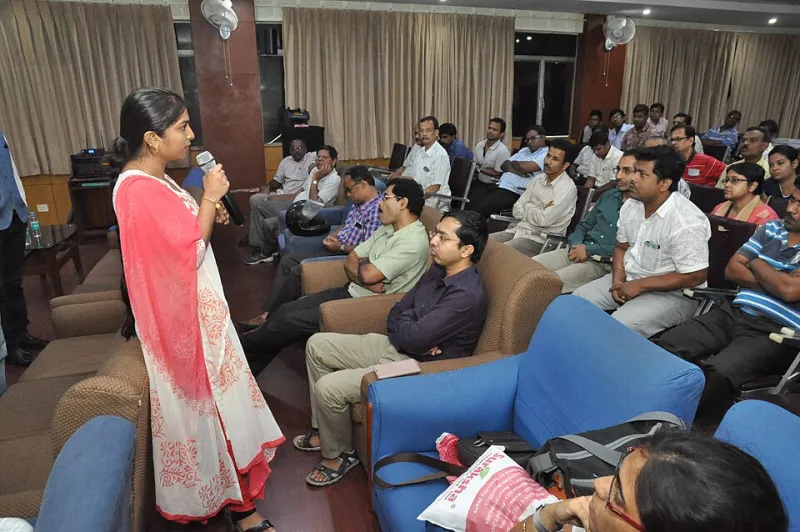
Photo: Biswarup Ganguly, CC BY-SA 4.0, via Wikimedia Commons
There was a time — not that long ago — when calling your doctor meant leaving a message with a receptionist named Carol, hoping she wrote it down correctly, and then waiting. Maybe she called back that afternoon. Maybe it was Thursday. You didn't know. You just waited, because that was the deal.
Nobody loved it. But nobody expected anything different either.
Fast-forward to today, and the average American can message their physician through an app, book a same-day telehealth appointment before breakfast, get lab results pushed to their phone within hours, and still feel vaguely irritated that nobody has responded to their portal message about a weird mole — and it's been six hours.
Something shifted. And it wasn't just the technology.
The Old System Wasn't Good, But It Set the Rules
For most of the 20th century, accessing medical care in America was a study in managed inconvenience. Doctors' offices had one phone line. Appointments were scheduled weeks out. If you had a question between visits, you either waited until you could get someone on the phone, asked a pharmacist, or — more often than anyone admits — just figured it out yourself.
This wasn't ideal. Plenty of conditions went undetected because people couldn't get in to see someone quickly enough. Plenty of questions went unanswered because the barrier to asking was too high. The old system had real costs, and they weren't evenly distributed. People without transportation, without time off work, or without a regular doctor bore the heaviest burden.
But there was a psychological contract embedded in those limitations. You called, you waited, you trusted the system to respond eventually. You also trusted your own body a little more in the meantime, because you didn't have another option.
Then Everything Opened Up at Once
The shift didn't happen overnight, but it accelerated fast. Electronic health records started giving patients access to their own data. Patient portals let you view test results, request refills, and send messages directly to your care team. Telehealth — already growing slowly — exploded during the COVID-19 pandemic and never fully retreated. Urgent care clinics multiplied on every corner. Retail health expanded into CVS and Walgreens. Wearables started tracking your heart rate, sleep, and blood oxygen in real time.
Suddenly, healthcare wasn't something that happened to you at a scheduled appointment. It was a constant, ambient presence — something you could access, monitor, and engage with around the clock.
The gains were real. Catching abnormal lab values sooner. Patients with chronic conditions staying better connected to their care teams. People in rural areas accessing specialists they'd never have seen otherwise. Telehealth democratized access in ways that mattered, especially for people who'd historically been underserved.
But something else happened too.
The Anxiety Moved In
When you can check your own lab results the moment they're posted — before your doctor has even reviewed them — you're going to read things you don't understand. A flagged value that means nothing clinically can send a reasonably calm person into a three-hour Google spiral at 11 PM. A heart rate blip on a fitness tracker can turn into an ER visit for someone who, six years ago, would have never known the blip existed.
This is the paradox of instant medical access: more information doesn't always produce more calm. Sometimes it produces more noise.
Doctors have started talking openly about the patient portal problem. Messages that used to require a phone call — and therefore a little friction — now arrive constantly, at all hours, about concerns that range from genuinely urgent to deeply speculative. Physicians in some practices receive dozens of portal messages a day. The convenience that was supposed to improve communication has, in some cases, created a new layer of cognitive load on an already strained system.
And on the patient side, the expectation of instant response has warped what "reasonable" looks like. A 24-hour callback window that would have seemed miraculous in 1987 now feels like negligence.
What We Traded Without Realizing It
There's a concept in psychology called intolerance of uncertainty — a tendency to find ambiguity about health deeply distressing. Research suggests it's a significant driver of health anxiety, and it's reasonable to wonder whether the design of modern healthcare has accidentally made this worse.
When Carol the receptionist was the gatekeeper, uncertainty was baked in. You didn't know your cholesterol number the moment the blood was drawn. You didn't get a notification when your doctor read your chart. The gap between question and answer was wide enough that you had to learn to sit with not knowing.
That tolerance for uncertainty wasn't just a coping mechanism — it was a skill. And like a lot of skills nobody practices anymore, it's getting harder to find.
None of this means the old system was better. It wasn't. Delayed access to care has always cost lives, and the structural inequities of mid-century American medicine were severe. The convenience revolution in healthcare has done genuine good.
But good and uncomplicated aren't the same thing.
The New Contract We're Still Figuring Out
The question now isn't whether to go back — nobody's ripping out the patient portals. It's whether patients, providers, and healthcare systems can develop a new set of realistic expectations that match what the technology can actually deliver without destroying everyone in the process.
That means teaching people what a flagged lab value actually means before they see it in a portal. It means healthcare systems being honest about response time windows instead of implying 24/7 availability they can't sustain. It means patients doing some of the work too — asking themselves, honestly, whether the question they're about to send at midnight actually needs an answer tonight.
Waiting used to be the system. Now it's a skill we have to consciously choose. That's a strange kind of progress — but it's still progress, as long as we notice what we're doing.